




The Complete Jewelry Box Production Process Explained
Jewelry is more than just an accessory; it’s a statement, a memory, and sometimes even a family heirloom. And while the jewelry itself is the centerpiece, the packaging plays a crucial role in enhancing the overall experience. A well-designed jewelry box not only protects the delicate pieces inside but also elevates the unboxing experience, creating a lasting impression on the buyer. Understanding how jewelry boxes are produced can help brands, retailers, and enthusiasts appreciate the craftsmanship and thought behind each piece of packaging. In this guide, we will take you through the complete jewelry box production process, step by step.
As a wholesale jewelry packaging manufacturer in China, Yaneng Jewelry Packaging is a China jewelry packaging supplier, with decades of experience supplying retailers and wholesalers with coordinated packaging families, dependable stock, and fast shipping. Explore our range of jewelry boxes to see how different packaging styles and quantities support both wholesale and retail purchasing needs.
1. Concept and Design
Every jewelry box starts with a concept. Designers consider both functionality and aesthetics. The design process typically involves:
- Researching Trends: Designers explore market trends, customer preferences, and competitor packaging. This helps identify what styles, materials, and colors will resonate with the target audience.
- Choosing the Box Type: Depending on the type of jewelry—rings, necklaces, bracelets, or earrings—the box’s shape and size vary. Common types include hinged boxes, flip-top boxes, drawer-style boxes, and magnetic closure boxes.
- Sketching and 3D Modeling: Initial sketches are turned into 3D models to visualize dimensions, proportions, and mechanisms like hinges, magnets, or sliders.
- Material Selection: Designers select materials that balance luxury, durability, and cost. Options include paperboard, rigid cardboard, wood, plastic, leather, or eco-friendly alternatives.
2. Material Preparation
After finalizing the design, the next step is gathering and preparing materials. Jewelry boxes often involve multiple layers, each requiring precision:
- Paperboard or Cardboard: High-quality rigid paperboard is cut into panels for the box structure.
- Covering Material: Materials like PU leather, velvet, satin, or textured paper are prepared for covering the box. These materials not only provide a luxurious finish but also enhance durability.
- Inserts: Inserts are used to securely hold jewelry pieces. Foam, velvet, or molded plastic inserts are cut and shaped to fit specific jewelry types.
Material quality is crucial at this stage. Premium boxes require smooth edges, consistent thickness, and flawless finishes to ensure the final product reflects the brand’s image.
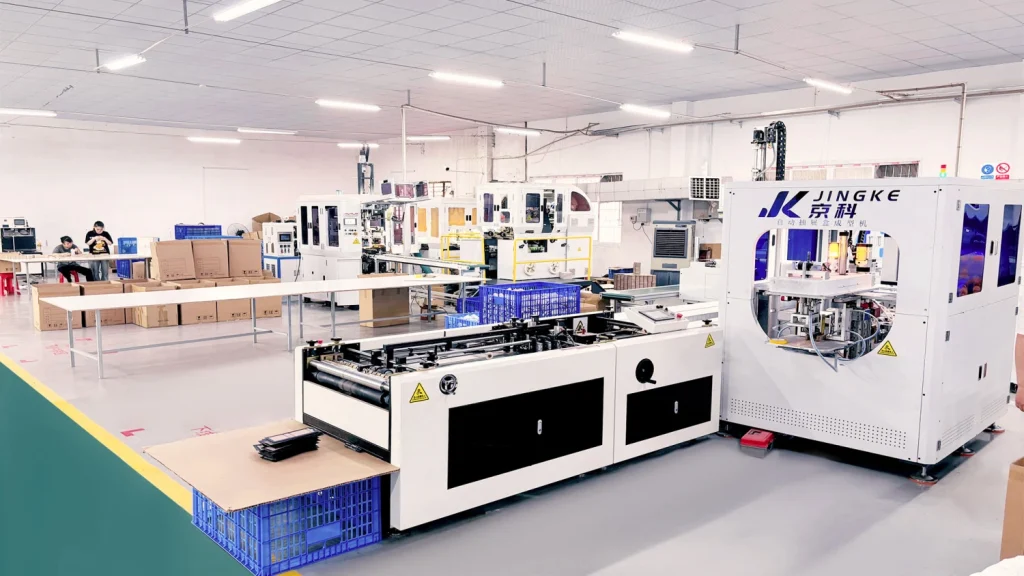
3. Cutting and Shaping
Once materials are ready, the box components are cut and shaped:
- Die-Cutting: Paperboard and covering materials are often cut using die-cutting machines. This ensures precise shapes, folds, and notches.
- Molding: For inserts or certain decorative parts, molding techniques are used. Foam inserts, for example, are cut using CNC machines or laser cutters for accuracy.
- Edge Treatment: Box edges are folded and glued carefully to avoid visible seams. For boxes with wood or metal components, CNC machines or manual craftsmanship create smooth, precise edges.
4. Assembly
Assembly is where all the prepared pieces come together to form the box:
- Box Base and Lid: The main structure is glued or stitched. Hinges, magnetic closures, or other functional components are added.
- Inserts Installation: Inserts are placed inside the box to hold jewelry securely. They may be glued, snapped in, or designed to slide.
- Finishing Touches: Decorative elements like ribbons, embossing, foiling, or printed logos are added. This step enhances branding and the perceived value of the packaging.
Attention to detail is essential here. A slight misalignment or poor adhesion can affect the box’s functionality and appearance.
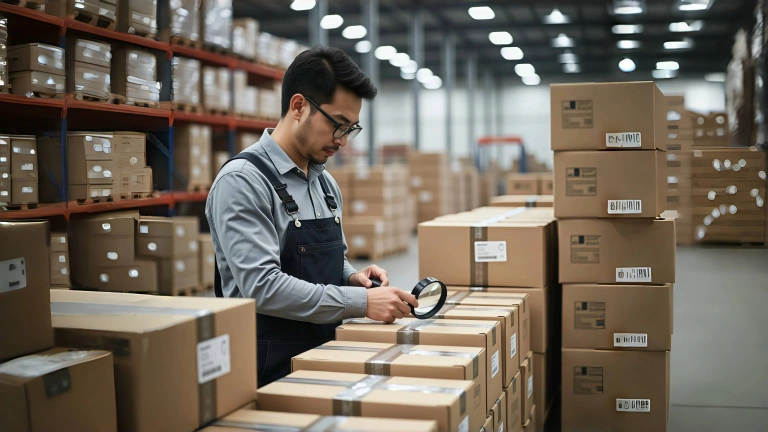
5. Quality Control
Quality control (QC) ensures that every jewelry box meets standards:
- Structural Integrity: Boxes are checked for sturdiness, proper closing mechanisms, and overall durability.
- Material Quality: Covering materials are inspected for scratches, wrinkles, or discoloration.
- Design Accuracy: Logos, patterns, embossing, and foiling are examined for precision.
- Fit of Inserts: Jewelry should fit snugly without being too tight or loose.
QC is vital because the packaging is the first tangible interaction customers have with the brand. High-quality packaging can elevate brand perception and customer satisfaction.
6. Packaging and Shipping
After passing QC, the jewelry boxes are ready for packaging:
- Bulk Packaging: Boxes are carefully stacked and protected with bubble wrap or other protective materials.
- Individual Wrapping: High-end boxes may be individually wrapped in tissue paper or shrink film to prevent damage.
- Shipping Preparation: Boxes are packed into cartons or crates with protective padding for safe transportation to retailers or directly to customers.
Proper handling during this phase ensures that boxes arrive in perfect condition, maintaining the luxurious experience intended for the end user.
7. Sustainability Considerations
In today’s market, eco-friendly practices are becoming increasingly important:
- Material Choice: Many brands opt for recycled paper, biodegradable plastics, or sustainably sourced wood.
- Minimalist Packaging: Reducing excess materials and designing boxes that are reusable or recyclable helps lower environmental impact.
- Eco-Friendly Printing: Water-based inks and environmentally friendly foils are used to minimize chemical usage.
Sustainable packaging not only appeals to conscious consumers but also aligns with global efforts to reduce waste and carbon footprints.
8. Trends in Jewelry Box Production
The jewelry box industry continues to evolve with changing consumer expectations:
- Personalization: Custom logos, colors, and designs create unique branding opportunities.
- Smart Packaging: Some boxes now integrate QR codes or NFC chips to provide digital experiences or authentication.
- Multi-Functionality: Boxes that double as storage, display, or travel cases increase usability.
- Luxury Finishes: Velvet, satin, metallic foils, and textured surfaces enhance the perceived value of the jewelry.
Brands that embrace these trends can create memorable experiences that encourage repeat purchases and brand loyalty.
Introducing Yaneng Packaging
When it comes to high-quality jewelry box production, Yaneng Packaging stands out as a reliable manufacturer. With years of experience in the packaging industry, Yaneng specializes in custom jewelry boxes that combine craftsmanship, aesthetic appeal, and functionality. Their production process integrates advanced machinery with skilled artisans, ensuring every box meets stringent quality standards. Yaneng Packaging supports a variety of materials, from eco-friendly paper to luxurious velvet, and offers tailored solutions to match a brand’s identity. Their commitment to precision, sustainability, and timely delivery makes them a preferred partner for businesses looking to elevate their jewelry packaging.
Summary
Creating a perfect jewelry box involves a detailed production process, from conceptual design to final packaging. Each step—design, material preparation, cutting, assembly, quality control, and shipping—requires attention to detail to ensure that the box enhances both the jewelry and the brand image. As sustainability and personalization gain importance, manufacturers like Yaneng Packaging provide solutions that meet modern business needs while delivering luxury and quality.
A beautifully crafted jewelry box does more than protect jewelry—it tells a story, builds trust, and creates memorable experiences. Investing in premium packaging is an investment in your brand’s identity and long-term customer satisfaction.
If you’re ready to elevate your jewelry brand with custom, high-quality packaging, contact Yaneng Packaging today.
Discover how expertly crafted jewelry boxes can enhance your products, impress your customers, and make every unboxing a moment to remember.