


Wholesale vs Retail: Choosing the Ideal Business Model for Your Brand
Selecting the right business model is one of the most important decisions a brand can make. Whether you are launching a new product line or expanding an existing business, choosing between wholesale and retail significantly impacts your pricing strategies, target market, operations, customer relationships, and long-term growth. While both wholesale and retail share the same goal—selling products—they operate in completely different ways.
As the wholesale jewelry packaging supplier in China, Yaneng Jewelry Packaging has decades of experience supplying retailers and wholesalers with coordinated packaging families, dependable stock, and fast shipping. Explore our range of jewelry boxes to see how different packaging styles and quantities support both wholesale and retail purchasing needs.
In this guide, we will break down wholesale vs retail in simple, easy-to-understand terms. You will learn how each model works, who they target, how pricing differs, and which business model fits your goals. By the end, you will clearly understand the differences between wholesale and retail and be able to make the best choice for your brand.
What Are Business Models in Product Selling?
A business model is the structure that defines how a company creates value and earns revenue. In the world of physical goods, the two most common business models are:
- Wholesale business model
- Retail business model
While both models aim to generate profit, they operate differently at every stage—from sourcing, purchasing, and storing inventory to selling products, interacting with customers, and setting prices.
Understanding how wholesalers typically function and how retailers purchase and resell products will help you avoid costly mistakes and build a sustainable brand.
1. Understanding Wholesale: How It Works
Wholesale is the business model where companies sell large quantities of products at wholesale prices to retailers, resellers, or distributors. Instead of selling small amounts to individual consumers, wholesalers act as intermediaries between manufacturers and retailers.
1.1 What Wholesalers Typically Do
Wholesalers typically:
- Buy bulk products directly from manufacturers
- Store inventory in warehouses
- Sell large quantities to retailers or business buyers
- Offer lower wholesale prices due to high-volume purchasing
- Serve as a bridge between production and the retail market
This model is ideal for brands that want to scale quickly without investing in retail storefronts or direct customer service teams.
1.2 Who Is the Target Market for Wholesalers?
A wholesaler’s target market is business buyers, not end consumers. This includes:
- Brick-and-mortar retail stores
- E-commerce shops
- Boutique owners
- Gift shops
- Corporate buyers
- Market distributors
Because wholesalers sell bulk quantities, their buyers expect lower prices, predictable supply, and efficient inventory management.
1.3 Wholesale Pricing Strategies
Wholesale prices are much lower than retail prices because buyers purchase in bulk. Price is determined by:
- Manufacturing cost
- Order quantity
- Market demand
- Long-term buyer relationships
While the profit per unit is lower, wholesalers earn money through volume.
2. Understanding Retail: How It Works
Retail is the business model where brands sell products at higher retail prices directly to individual consumers. Retailers focus on customer relationships, store experience, marketing, and product presentation.
2.1 What Retailers Focus On
Retailers typically:
- Purchase inventory from wholesalers
- Sell products through e-commerce or physical stores
- Handle customer service
- Customize marketing strategies for consumers
- Build brand loyalty and buying experience
Because retailers sell small amounts at higher prices, their revenue depends heavily on marketing and customer engagement.
2.2 The Target Market for Retailers
Retailers serve:
- Individual consumers
- Shoppers seeking convenience
- Customers comparing prices and value
- Buyers who care about brand experience
The retail business model requires understanding what motivates consumers and how to influence their purchasing behavior.
2.3 Retail Pricing Strategies
Retail prices are higher because they include:
- Marketing costs
- Packaging costs
- Store operation costs
- Customer service
- Profit margin
Unlike wholesale, retailers focus on selling fewer units at a higher price.
3. Key Differences Between Wholesale and Retail
Understanding the differences between wholesale and retail is essential before selecting a business model. Below are the major distinctions explained in simple language.
3.1 Target Market
- Wholesale: Businesses, retailers, distributors
- Retail: Individual consumers
Your target market significantly impacts your marketing, customer service, and sales strategies.
3.2 Pricing Strategies
- Wholesalers sell at lower wholesale prices, earning profit through volume.
- Retailers sell at higher retail prices, earning profit per unit.
3.3 Sales Quantity
- Wholesale: Sell large quantities
- Retail: Sell small quantities
This difference affects your production, storage needs, and supply chain strategy.
3.4 Business Role
- Wholesalers act as intermediaries between manufacturers and retailers.
- Retailers purchase from wholesalers and sell directly to consumers.
3.5 Customer Relationships
- Wholesale: Focus on long-term B2B relationships
- Retail: Focus on consumer experience and emotional connection
3.6 Inventory Management
Wholesale requires managing large stock, warehouse space, and logistics.
Retail requires managing smaller stock but more SKU variety and display-ready products.
3.7 Selling Channels
- Wholesale: Showrooms, B2B platforms, trade shows, catalogs
- Retail: E-commerce, physical stores, shopping malls, online marketplaces
4. Pros and Cons of Wholesale
Pros
- Lower marketing cost
- Higher volume sales
- Stable B2B relationships
- Easier to scale production
- More predictable revenue
Cons
- Lower per-unit profit
- High warehouse needs
- Dependence on business buyers
5. Pros and Cons of Retail
Pros
- Higher profit per unit
- Strong brand and customer loyalty
- Creative control over product presentation
- Direct customer feedback
Cons
- Higher marketing and operation costs
- Requires more customer service
- Inventory risk if products don’t sell
6. Choosing Between Wholesale vs Retail
Choosing the ideal business model depends on various factors including:
- Your capital
- Production capacity
- Target market
- Brand goals
- Customer service capability
- Marketing budget
- Storage space
- Expected profit margin
There is no single “best model.” The right model is the one that aligns with your strengths and long-term vision.
Some brands even combine both—selling wholesale to businesses while running their own retail stores or online shops.
7. Real-World Example: Where Packaging Matters
Regardless of whether you choose wholesale or retail, packaging plays a crucial role. For wholesalers, packaging must be durable and efficient for transportation. For retailers, packaging is part of the customer experience and helps justify higher retail prices.
This is where working with a trustworthy packaging manufacturer becomes essential.
8. Yaneng Packaging: Your Professional Packaging Partner
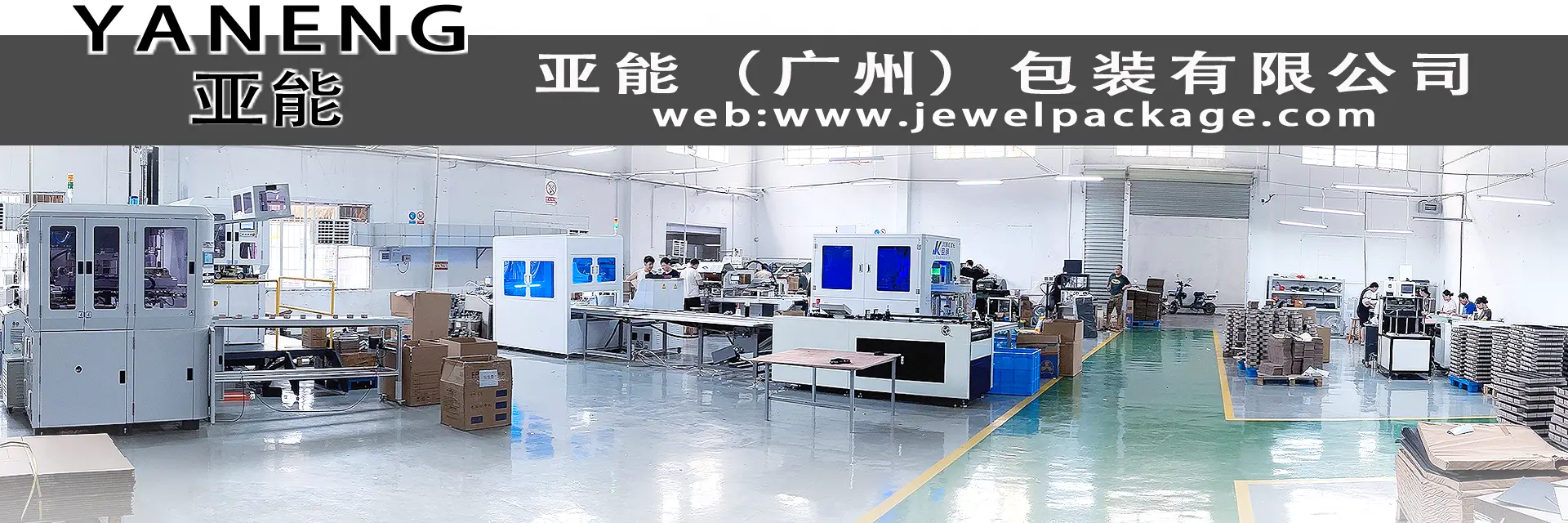
As you grow your wholesale or retail business, choosing the right packaging supplier ensures product safety, branding consistency, and cost efficiency. Yaneng Packaging is a professional manufacturer specializing in jewelry boxes, gift boxes, customized packaging, and branding solutions.
Here’s what makes Yaneng Packaging a trusted name:
- Reliable manufacturer: 20+ Years of Jewelry Packaging Manufacturer
- Offering Recyclable Jewelry Packaging
- Free 3D Design Service
- Large Stock Available
- Only MOQ 1 is Required to Bring the Jewelry Packaging Home
- Free Jewelry Packaging Sample
- 1 Year After-Sales Guarantee, Your Confidence Guarantee
Their commitment to quality, innovation, and sustainability means your packaging protects your jewelry and makes a lasting impression.
Yaneng provides:
- High-quality packaging for both wholesale and retail businesses
- Custom logo and design services
- Strong experience serving global brands and B2B buyers
- Reliable production, quality control, and export compliance
- Packaging solutions that enhance both bulk shipping and retail display
Whether you sell large quantities as a wholesaler or focus on premium presentation as a retailer, Yaneng Packaging helps elevate your product value and brand image.
Conclusion
Wholesale and retail are two distinct business models, each offering unique advantages depending on your target market, pricing strategies, and long-term goals. Wholesalers sell large quantities at lower wholesale prices, focusing on efficiency and relationships with business buyers. Retailers sell small quantities at higher retail prices, focusing on customer experience, branding, and marketing.
Choosing between wholesale vs retail depends on various factors including your budget, production capacity, market position, and desired level of customer interaction. No matter which path you choose, high-quality packaging plays a crucial role in customer satisfaction and brand perception.
And that’s why partnering with Yaneng Packaging—a trusted manufacturer in the packaging industry—ensures your products always look professional, well-protected, and ready for the market.
Ready to Build Your Packaging? Contact Yaneng Today!
If you are ready to refine your purchasing strategy and build cohesive presentations across every collection, Yaneng Jewelry Packaging offers reliable solutions that support both wholesale and retail models and help strengthen your store’s identity.
Get high-quality, reliable, and attractive packaging that helps your brand stand out.
👉 Contact Yaneng Packaging to start your custom order today!