






From Quantity to Quality: How Chinese Packaging Manufacturers Can Upgrade Competitiveness
For more than forty years, the global economy has been deeply shaped by the extraordinary rise of Chinese products. From the electronics that power modern households to the packaging that protects global consumer goods, China has grown from a developing nation to a manufacturing superpower with unparalleled scale, speed, and supply chain integration. Within this ecosystem, the packaging industry—connecting raw materials, consumer brands, logistics, retail, and global trade—plays a vital and irreplaceable role.
Yet, the world has changed dramatically. The globalized market is undergoing transformation, environmental regulations are tightening, consumer expectations are rising, and manufacturing competition is no longer limited to price and output. For Chinese companies, particularly those in packaging production, the challenge today is clear: transition from quantity-based growth to quality-oriented, innovation-driven, sustainability-focused competitiveness.
How China’s industrial evolution, economic growth, technology transfer, and long-term development strategies create new opportunities for packaging manufacturers. We will examine the global context, analyze the forces pushing transformation, explore the strategies required to move up the value chain, and highlight how advanced manufacturing principles can guide future competitiveness. Before concluding, we will introduce Yaneng Packaging, a real-world example of a Chinese manufacturer embodying this shift.
As the wholesale jewelry packaging supplier in China, Yaneng Jewelry Packaging has decades of experience supplying retailers and wholesalers with coordinated packaging families, dependable stock, and fast shipping. Explore our range of jewelry boxes to see how different packaging styles and quantities support both wholesale and retail purchasing needs.
This deep dive aims to provide a clear, practical understanding, simple readability, and strategic insights for factories, brands, importers, and business owners.
1. China’s Industrial Rise and Its Impact on Packaging Manufacturing
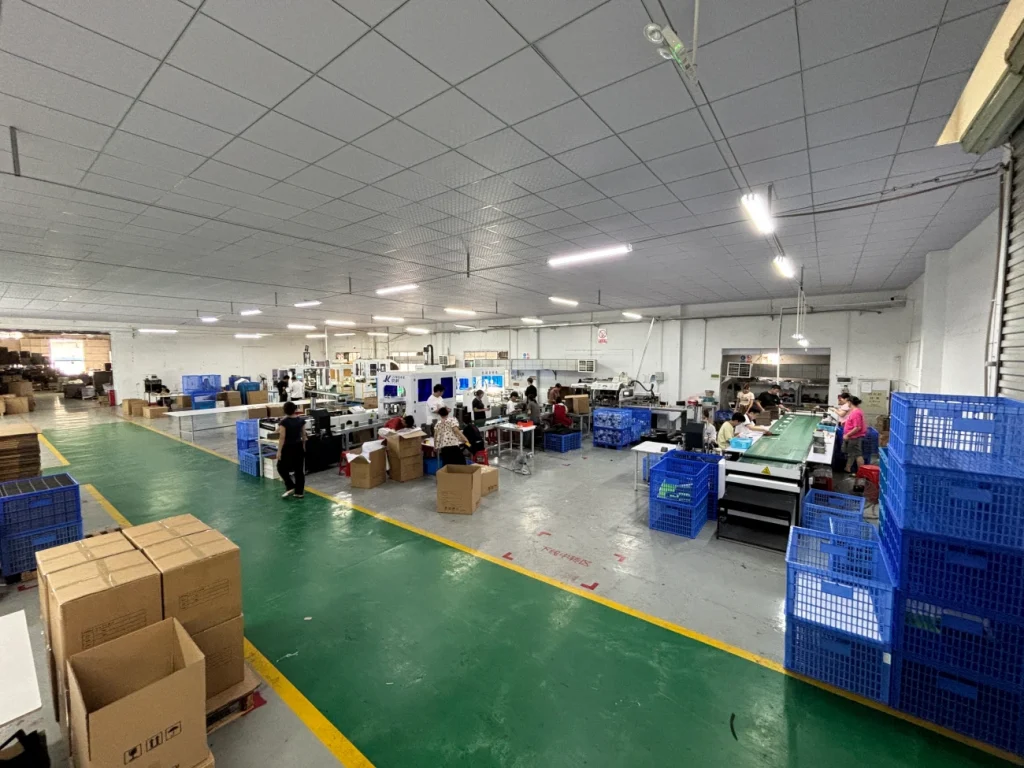
China’s development into the world’s largest manufacturing nation is a story of rapid transformation, strategic planning, and integration into global systems. Understanding how the packaging industry grew requires understanding the broader industrial environment.
1.1 The Early Foundations: Low-Cost Production and Massive Labor Supply
In the 1980s–2000s, China’s growth model relied on:
- abundant low-cost labor
- investment-friendly government policies
- rapid economic development
- strong infrastructure expansion
- access to global markets
- clustering of manufacturing sectors
For packaging manufacturers, this meant:
- cheap raw materials
- rapid order turnover
- simplified hiring
- aggressive export-growth opportunities
- a booming domestic market fueled by industrial expansion
These conditions allowed China to become the world’s largest producer of packaging materials—paper, cardboard, plastics, metals, textiles, and composites.
1.2 Supply Chain Clustering: The Secret to China’s Industrial Efficiency
One of the most powerful forces behind China’s rise is industrial clustering. Packaging hubs emerged in:
- Guangdong (Dongguan, Shenzhen, Guangzhou)
- Zhejiang (Yiwu, Wenzhou)
- Jiangsu (Suzhou, Kunshan)
- Fujian
- Shandong
Clusters offer:
- consolidated material supply
- specialized machinery manufacturers
- skilled labor concentration
- logistical advantages
- competitive cost structures
This supercharges production capacity and cost efficiency.
1.3 Integration with Global Trade and Technology Transfer
With globalization accelerating from the 1990s to 2010s, China became:
- the top exporter of Chinese products
- the world’s largest packaging producer
- a key participant in international industrial supply chains
Foreign-owned factories and joint ventures introduced:
- technology transfer
- advanced printing technologies
- automated gluing and forming systems
- global QC and compliance standards
- R&D methodology
This exposure elevated Chinese packaging beyond basic manufacturing.
2. The Era of Transformation: Why Quality Now Matters More Than Ever
Today, the world is emerging into a new phase of industrial competition. For packaging manufacturers, the shift from quantity to quality is not optional—it is a survival requirement.
2.1 Global Buyers Expect World-Class Packaging
Modern packaging is no longer “just a box.” It is:
- brand storytelling
- product protection
- user experience
- compliance with global standards
- sustainability proof
- a marketing asset
Buyers in North America, Europe, Japan, Australia, and the Middle East expect:
- advanced structural engineering
- flawless printing
- eco-friendly materials
- durable and consistent quality
- professional service
- reliable long-term supply
This forces manufacturers to elevate their mindset and capabilities.
2.2 Competition from Emerging Manufacturing Countries
China no longer competes only with itself. Competitors now include:
- Vietnam
- Thailand
- India
- Indonesia
- Turkey
- Mexico
- Eastern Europe
These countries offer competitive pricing and increasingly sophisticated production. To stay ahead, Chinese manufacturing must focus on innovation, automation, brand-level design, and value-added services.
2.3 Environmental Pressures and Sustainability Regulations
Global regulations are tightening around:
- recyclable packaging
- reduced plastic content
- carbon footprint reporting
- renewable energy usage
- paper traceability
- zero-waste manufacturing
Failure to adapt risks losing access to the international market.
2.4 China’s Domestic Market Is Also Upgrading
Domestic consumers are increasingly demanding:
- high-quality lifestyle products
- sustainable packaging
- well-designed branding
- premium presentation experiences
This internal shift is pushing China’s domestic manufacturers toward higher standards.
3. Why Chinese Packaging Manufacturers Must Move Up the Value Chain
The foundation of Chinese packaging manufacturing—low cost and high volume—is no longer sufficient. The future demands value-added competitiveness built on:
- quality
- design capability
- sustainable materials
- innovation
- automation
- supply chain optimization
- long-term strategic planning
Here’s how manufacturers can achieve it.
4. Investing in Technology and Automation: The Future of Advanced Manufacturing
Technology is the most direct path to quality. Cutting-edge production machinery and digital tools allow factories to reduce defects, improve consistency, accelerate production, and offer new capabilities.
4.1 Digital Printing: Precision, Flexibility, and Global Standards
Digital printing offers significant advantages:
- fast prototyping
- variable data personalization
- minimal waste
- eco-friendly inks
- consistent color reproduction
- short-run cost efficiency
This is essential for luxury brands, small-batch customization, and premium gift packaging.
4.2 Automation: Reducing Labor Dependence, Increasing Stability
Automation improves:
- accuracy
- efficiency
- repeatability
- production speed
Examples include:
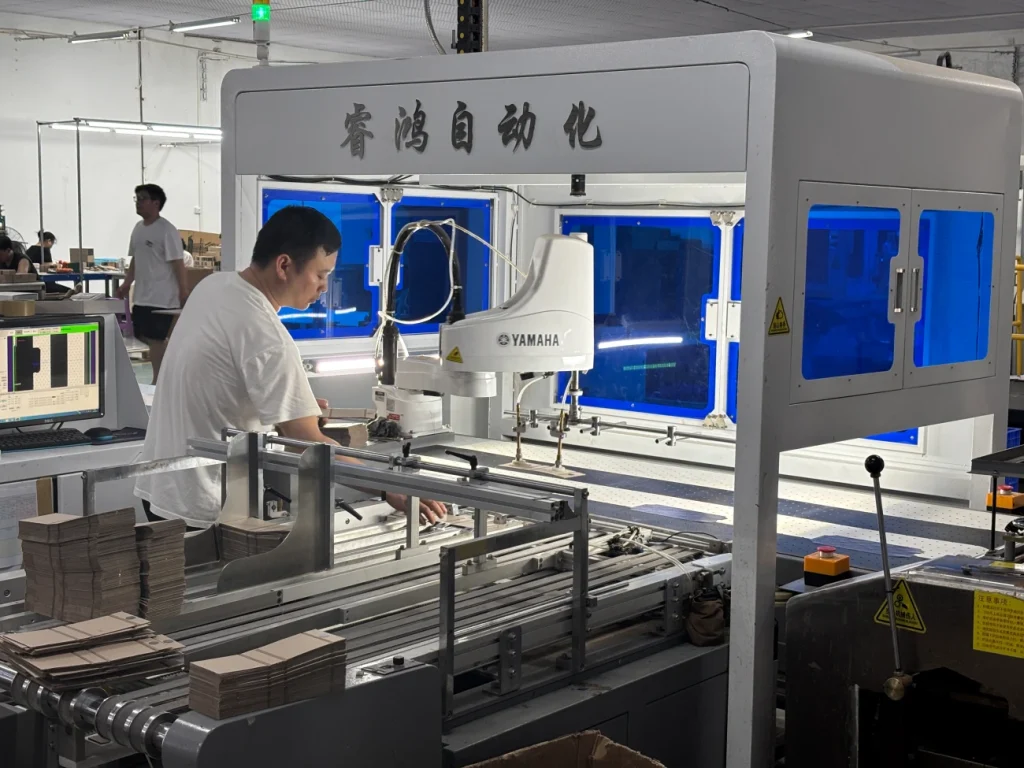
- automated rigid-box forming machines
- robotic gluing arms
- high-speed slotting
- automated die-cutting
- automated laminators
- 3D inspection systems
Automation upgrades move factories into advanced manufacturing territory.
4.3 Machine Vision and AI Quality Control
AI-based QC systems detect:
- cutting inaccuracies
- misalignment
- color inconsistencies
- surface defects
- structural errors
This significantly reduces customer complaints and upgrade competitiveness.
4.4 Smart Factory Integration
A smart factory uses:
- ERP
- MES
- barcode or RFID tracking
- real-time data monitoring
- predictive maintenance
- optimized workflow automation
These systems improve warehouse efficiency, reduce lead times, and enhance supply chain transparency.
5. Building R&D Capabilities: The Heart of Long-Term Competitiveness
Factories that rely only on machinery will fall behind. Factories that develop their own materials, designs, and engineering solutions will lead the industry.
5.1 Material Innovation: Sustainable, Functional, and High-Quality
R&D in packaging materials includes:
- biodegradable coatings
- compostable films
- water-based adhesives
- eco-friendly laminates
- improved paperboard strength
- lightweight but durable fiber structures
- plastic-free protective inserts
These innovations respond to both environmental regulations and market trends.
5.2 Structural Engineering: Designing for Function and Experience
Structural R&D focuses on:
- collapsible rigid boxes
- reusable box structures
- anti-shock inner trays
- secure magnetic closures
- lightweight protective materials
- shipping-optimized designs
This reduces shipping costs while providing premium experience.
5.3 Long-Term R&D Strategy
Leading companies create a sustainable R&D environment by:
- investing annually in research
- collaborating with universities
- building internal labs
- testing new materials
- upgrading product lines
This is how Chinese companies move up the value chain.
6. Sustainability and Renewable Energy: The New Standards of Global Packaging
Future packaging must be:
- recyclable
- compostable
- biodegradable
- low-carbon
- responsibly sourced
Factories must adopt long-term green manufacturing strategies.
6.1 Using Renewable Energy in Production
Energy transition is critical. Factories are increasingly implementing:
- solar power
- biomass systems
- clean energy boilers
- energy management software
These investments reduce carbon emissions and improve brand reputation.
6.2 Waste Reduction and Circular Manufacturing
Circular manufacturing reduces waste by:
- recycling paper scraps
- using FSC-certified materials
- reducing adhesive use
- optimizing cutting layouts
- reclaiming ink waste
This aligns with globalized market expectations.
6.3 Meeting International Sustainability Standards
Factories should meet global certifications including:
- FSC
- GRS
- ISO14001
- REACH
- RoHS
- Carbon footprint reporting
These certifications are essential to access high-end export markets.
7. Service, Branding, and Global Market Positioning
Packaging suppliers must become partners, not just manufacturers.
7.1 Professional International Communication
Manufacturers must demonstrate:
- fast quote turnaround
- clear project timelines
- transparent communication
- reliable after-sales service
This builds trust with international buyers.
7.2 Stability and Consistency in Delivery
Customers expect:
- accurate lead times
- stable material supply
- logistics coordination
- quality consistency regardless of order size
These abilities differentiate world-class suppliers.
7.3 Creating Brand-Like Identity for Manufacturers
Manufacturers should invest in:
- brand storytelling
- professional website presentation
- case studies
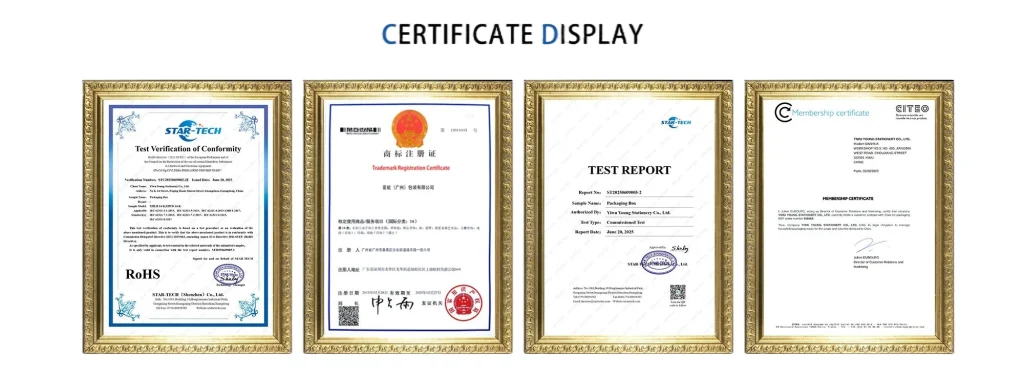
- certifications
- social media presence
- visually appealing showcases
This elevates their reputation globally.
8. Government Support and China’s Long-Term Industrial Strategy
The Chinese government actively supports high-quality manufacturing transformation through:
- digital manufacturing grants
- tax incentives for automation
- R&D subsidies
- green energy programs
- industrial modernization policies
- cluster-based industrial development
These policies enable Chinese packaging manufacturers to evolve into leaders in advanced manufacturing.
9. Yaneng Packaging: A Real Example of Quality-Oriented Chinese Manufacturing
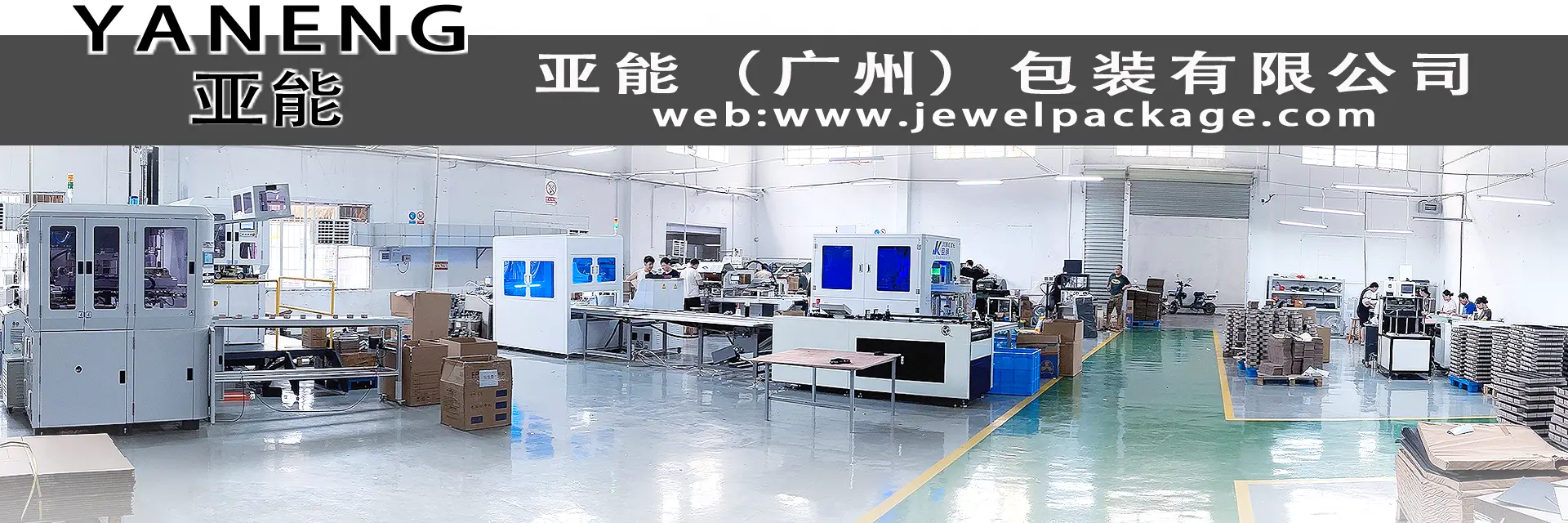
Before summarizing, it is important to highlight a real case of successful transition—Yaneng Packaging, a manufacturer that represents the future of Chinese packaging.
Why Yaneng Packaging Stands Out
Yaneng excels because it embraces:
- cutting-edge printing
- automated rigid box production
- sustainable material sourcing
- robust QC systems
- strong R&D capabilities
- export-oriented standards
- international communication best practices
- eco-friendly manufacturing principles
The company has successfully moved away from commodity-level production and toward high-value, customized packaging solutions for:
- jewelry
- watches
- electronics
- luxury goods
- consumer gift sets
- promotional packs
Yaneng Packaging shows how Chinese manufacturing sectors can evolve by focusing on quality, sustainability, and innovation.
A Model for China’s Future Manufacturing
Yaneng’s transformation reflects:
- adoption of advanced manufacturing
- commitment to quality
- investment in cutting-edge equipment
- strong export focus
- long-term strategic planning
It demonstrates what Chinese packaging manufacturers must do to stay competitive in the global market.
10. Conclusion: China’s Packaging Future Depends on Quality, Innovation, and Sustainability
The transformation from quantity to quality is not only possible—it is already happening across Chinese industrial sectors.
The future advantages of Chinese packaging manufacturers will rely on:
- world-class production capabilities
- global-standard quality systems
- environmentally responsible materials
- automation and advanced technology
- innovation-driven R&D
- strong long-term customer partnerships
- renewable energy adoption
- resilience in global competition
China has the foundation, scale, talent, and government support to lead the next generation of global packaging manufacturing.
Factories that embrace this transition will become leaders in:
- advanced manufacturing
- sustainable packaging solutions
- high-end brand partnerships
- long-term value creation
The shift from quantity to quality is the key to unlocking the next era of China’s competitiveness.
Ready to Elevate Your Packaging Quality?
If you are searching for a reliable, advanced, export-ready packaging partner,
Yaneng Packaging is ready to support your next project with world-class solutions.
👉 Contact us today and start building the future of your packaging.