





How a Custom Box Packaging Printing Factory Prevents Problems Before Printing
In the packaging industry, the printing stage is one of the most critical steps in delivering high quality product packaging. Whether a business is designing corrugated boxes, folding cartons, or premium custom packaging, preventing problems before printing is essential. A single error in the printing process can delay mass production, increase costs, reduce customer trust, and even damage the unboxing experience.
To avoid these issues, a professional packaging manufacturer must follow a series of careful steps long before the machines start running. These steps ensure accurate box design, efficient production, and cost effective results—while guaranteeing that the final box protects your product and supports your brand image.
As the wholesale jewelry packaging supplier in China, Yaneng Jewelry Packaging has decades of experience supplying retailers and wholesalers with coordinated packaging families, dependable stock, and fast shipping. Explore our range of jewelry boxes to see how different packaging styles and quantities support both wholesale and retail purchasing needs.
This article explains how a custom box packaging printing factory prevents problems before printing, using simple and clear language. We will explore the key processes, common challenges, and how early prevention saves time, money, and effort.
1. Understanding the Role of Pre-Printing in Packaging
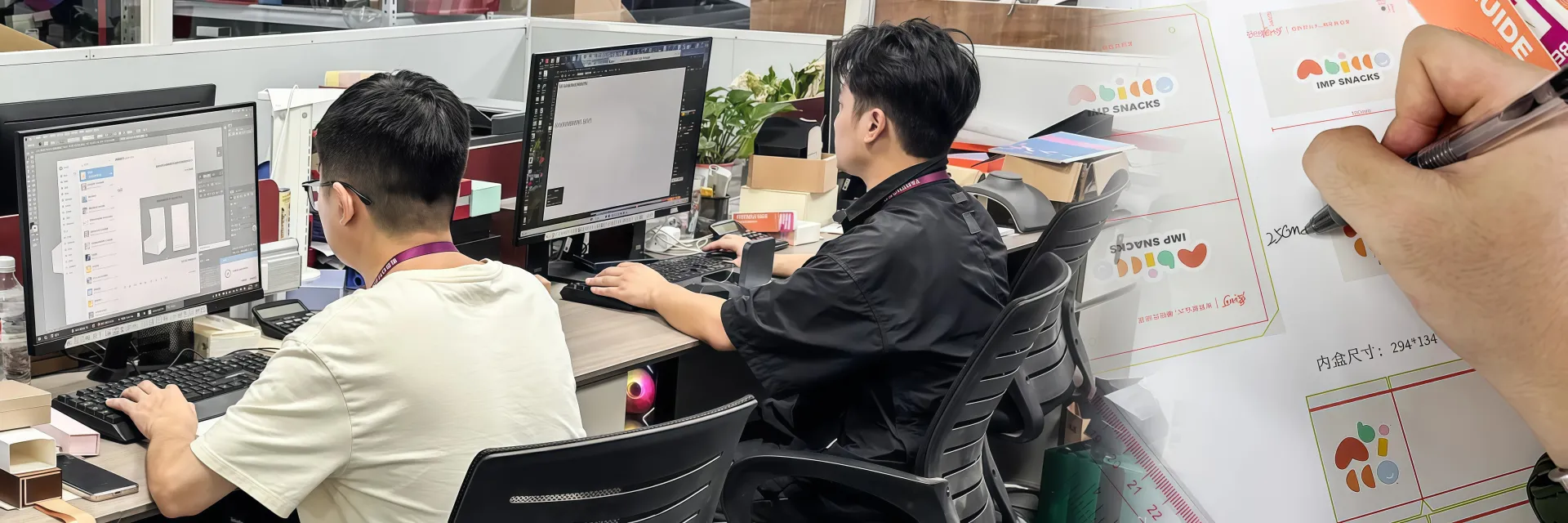
Before any artwork touches the printing machine, factories must check every detail of the packaging design. Pre-printing preparation ensures:
- The packaging printing files are accurate
- The chosen materials match product requirements
- Printing methods align with the final application
- No errors appear during die cutting or assembly
- The structure remains strong during shipping
For corrugated boxes and shipping boxes, strength and durability are important to reduce damage during transportation. For folding cartons and luxury custom boxes, precise colors and clean edges matter more for customer satisfaction and brand consistency.
A skilled packaging manufacturer understands how each detail influences the final appearance and performance.
2. Early Identification of Common Packaging Challenges
Every product has its own packaging challenge. For example:
- A fragile item needs thicker corrugated board
- A luxury product requires premium printing methods
- A heavy item may require stronger structural design
- A subscription box needs a better unboxing experience
- High-volume mass production needs cost control
Before printing, the factory analyzes the following:
Material Strength
The wrong material can cause cracking, bending, or tearing. Selecting the right paper strength ensures the box protects your product.
Color Variation
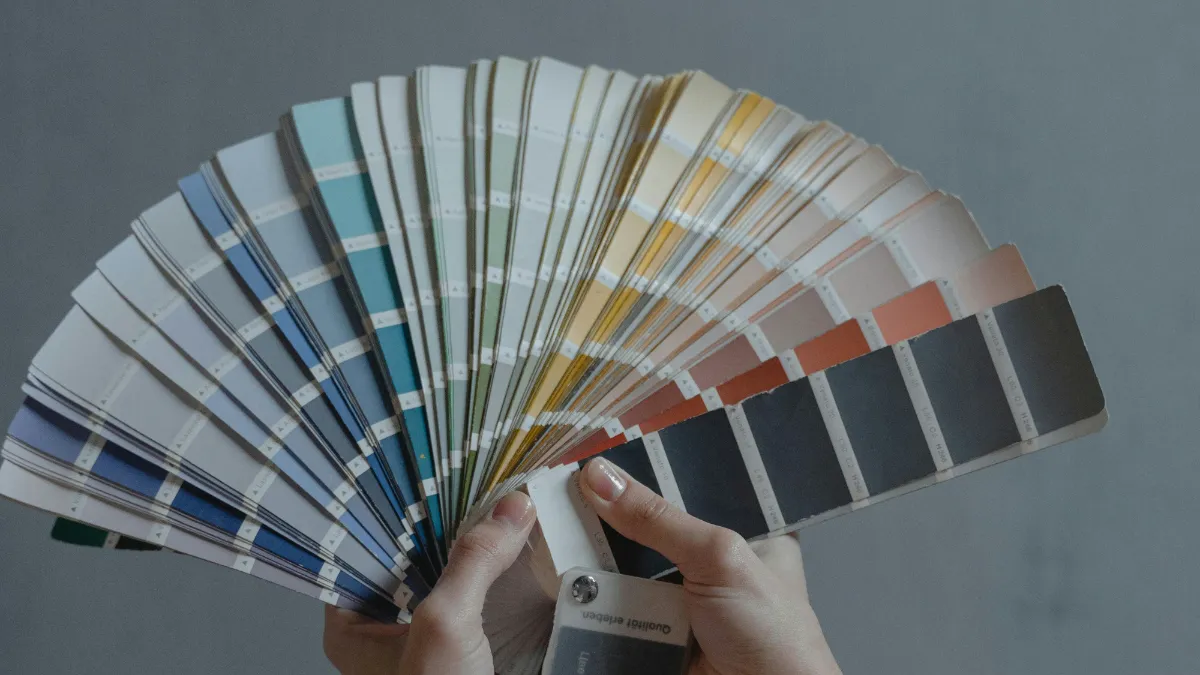
Color differences are common in printing. Factories prevent this by confirming color codes, testing on the actual material, and standardizing color profiles.
Bleeding, Cutting & Folding Issues
Designs must fit the exact die cutting lines. Any mismatch can cause text misalignment, uneven borders, or logos being cut off.
Structural Weakness
A box may look good digitally but fail to hold weight in real life. Pre-printing checks avoid such costly problems.
3. Accurate Box Design to Prevent Printing Errors
The foundation of high quality custom packaging begins with the box design. A professional design team checks:
A. Die Line Accuracy
The die line is the blueprint for the box. It defines:
- Cutting lines
- Folding lines
- Glue areas
- Safety zones
- Bleeding areas
If the die line is wrong, everything else will be wrong. The factory ensures the die line matches the product size and printing requirements.
B. Artwork Placement
Designers check that:
- Text stays within the safe area
- Images are high resolution
- Logos are not too close to edges
- Barcodes are clear
- Colors are correct (CMYK/Pantone)
C. Structural Testing
Before printing, the box is tested through:
- Load testing
- Drop testing
- Folding tests
- Prototype checks
These tests help reduce damage and ensure the box protects your product in all shipping conditions.
4. Choosing the Right Printing Methods
Different printing methods affect the result, cost, and production time. A packaging manufacturer selects the most suitable method based on the design and budget.
Offset Printing
- Best for high quality images
- Excellent for folding cartons and luxury custom boxes
- Ideal for large quantities
Flexographic Printing
- Common for corrugated boxes
- Cost effective
- Fast for mass production
Digital Printing
- Perfect for small orders
- Great for samples or custom box designs with variable data
- Short turnaround time
By choosing the correct method early, factories avoid color issues, blurry images, or high production costs.
5. Material Selection and Testing
Packaging must be functional, durable, and visually appealing. Before printing, the factory confirms:
Correct Paper Type
Different boxes require different materials, such as:
- Corrugated board for shipping boxes
- Duplex board for folding cartons
- Kraft material for eco-friendly custom packaging
- Art paper for high-end printing
Surface Treatment Compatibility
The factory checks whether the design requires:
- Lamination
- Spot UV
- Foil stamping
- Embossing or debossing
- Matte or gloss finish
Incorrect surface treatment can cause peeling, scratches, or color fading.
6. Proofing: The Most Important Step Before Printing
Proofing allows customers and designers to see the final look before mass production. This step alone prevents more than 70% of printing mistakes.
A. Digital Proof
A digital preview that shows:
- Color accuracy
- Layout alignment
- Artwork placement
B. Hard Sample
A physical prototype made using the real material. This confirms:
- Actual color tone
- Texture
- Structural strength
- Unboxing experience
C. Corrections Before Production
Any mistakes found during proofing can be easily corrected—saving time, money, and reducing waste.
7. Setting Up the Printing Machine
Before printing begins, the factory prepares:
Plate Making
For offset or flexographic printing, plates must match the artwork exactly.
Ink Adjustment
Technicians test ink density and color consistency on the actual material.
Machine Calibration
This prevents issues such as:
- Color shift
- Blurry images
- Misalignment
Accurate machine setup ensures high quality results in mass production.
8. Quality Control During Printing
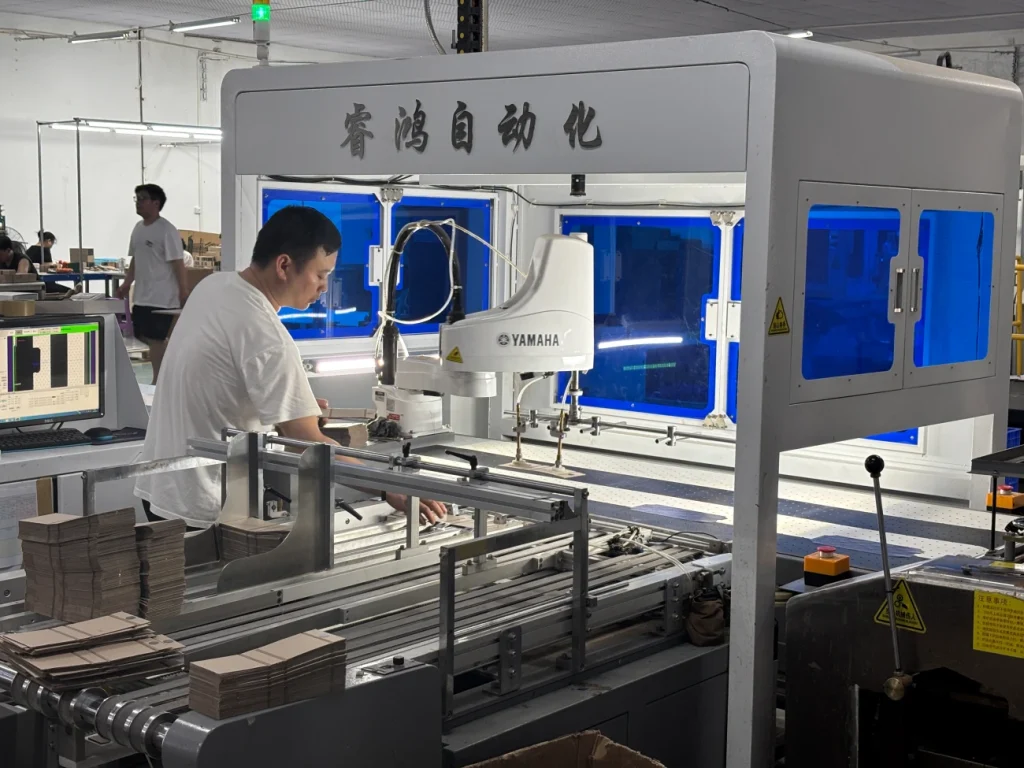
Even after all preparations, quality control remains vital. The factory checks:
- Color consistency for every batch
- Sharpness of images
- Clean printing without smudges
- Smooth cutting and folding
- Stable glue application
These checks ensure your custom box is not only visually attractive but also reliable and functional.
9. Why These Steps Protect Your Brand and Products
By preventing problems early, a packaging printing factory helps you:
Reduce Damage
Strong structure and accurate cutting ensure the box survives shipping.
Enhance Customer Trust
Consistent packaging builds brand reliability.
Improve Unboxing Experience
Clean printing and professional design make customers feel valued.
Lower Costs
Avoiding errors before printing prevents reprinting, delays, and wasted materials.
Ensure Mass Production Efficiency
Proper preparation ensures smooth and fast production, especially for large orders.
10. How Yaneng Packaging Ensures Flawless Printing
Before the final summary, it is important to highlight a manufacturer known for reliable and high quality packaging printing—Yaneng Packaging.
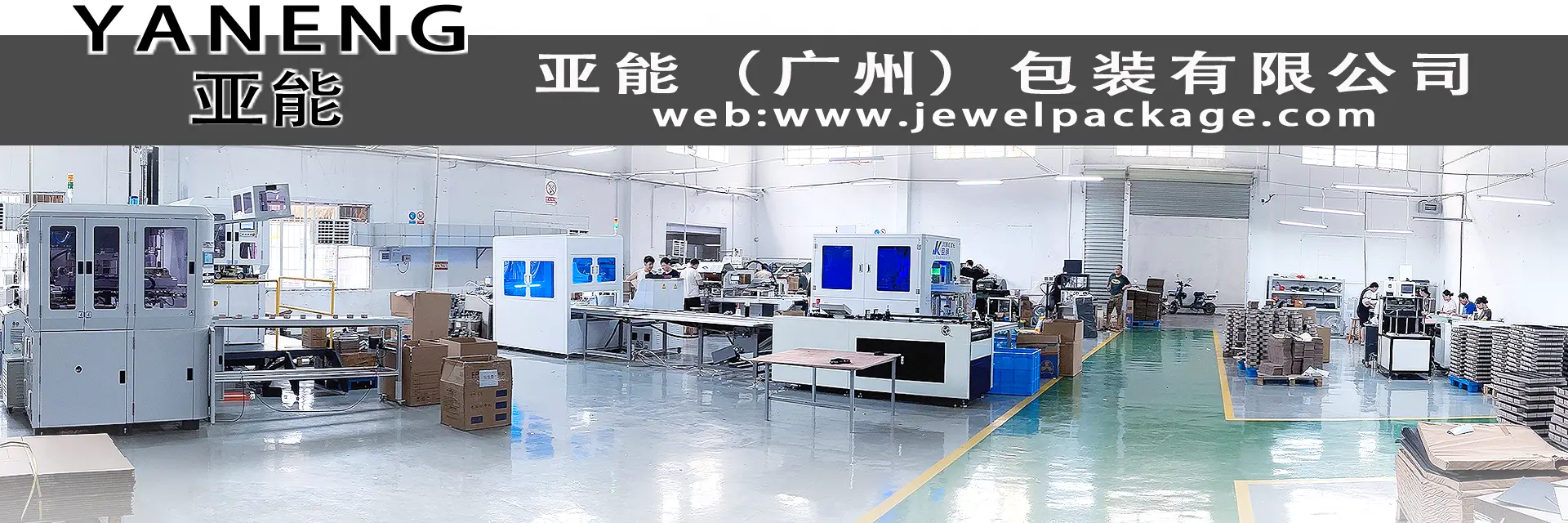
Yaneng Packaging specializes in custom box design, packaging printing, and mass production of corrugated boxes, folding cartons, luxury boxes, and shipping boxes. With years of manufacturing experience, the company focuses on preventing problems before printing through:
- Professional structural engineering
- Accurate die line development
- Advanced printing process control
- High precision die cutting
- Strict quality inspections
- Fast and responsive communication
Yaneng Packaging provides customized solutions that help brands overcome any packaging challenge. Their goal is simple: deliver packaging that protects your product, strengthens your brand, and creates a memorable unboxing experience.
11. Conclusion
Preventing problems before printing is the foundation of high quality custom packaging. From material selection to box design, proofing, and machine calibration, every step matters. When these processes are done correctly, businesses can enjoy smooth mass production, cost effective solutions, and stronger customer trust.
Working with an experienced packaging manufacturer—like Yaneng Packaging—ensures that your custom box is printed accurately, built to last, and designed to impress.
Ready to Upgrade Your Custom Packaging?
If you want reliable printing quality, professional support, and cost effective solutions for your custom box or product packaging, contact Yaneng Packaging today.
Get expert guidance, fast samples, and high quality results for every project.
👉 Message us now to get your custom packaging quote!