
Luxury Jewelry Packaging Trends 2026: The Future of Premium Brand Experience
Luxury jewelry packaging is entering a new era in 2026. No longer limited to protection or decoration, packaging has become a strategic branding tool that communicates craftsmanship, sustainability, and emotional value.
For jewelry brands, wholesalers, and retailers, understanding packaging trends is essential to staying competitive in an increasingly experience-driven market.
This guide explores the most important luxury jewelry packaging trends shaping 2026 and how brands can apply them successfully.
The Evolution of Luxury Jewelry Packaging
Luxury packaging has shifted through three stages:
- Protection Era — boxes focused on safety and durability
- Branding Era — packaging emphasized logos and visual identity
- Experience Era (Today) — packaging creates emotional engagement
Modern consumers evaluate luxury before touching the jewelry itself. Packaging now defines first impressions.
1. Sustainable Luxury Becomes the New Standard
Sustainability is no longer optional in premium markets.
Luxury brands increasingly adopt:
- FSC-certified paper
- Recycled rigid cardboard
- Water-based coatings
- Eco-friendly inks
- Reusable packaging structures
Consumers now associate sustainability with sophistication and responsibility.
In 2026, environmentally conscious packaging enhances brand trust rather than reducing luxury perception.
2. Quiet Luxury Design Aesthetic
“Quiet luxury” continues to dominate packaging design.
Key characteristics include:
- Minimal layouts
- Neutral color palettes
- Matte finishes
- Blind emboss logos
- Soft-touch lamination
Instead of bold graphics, brands focus on refinement and balance.
Luxury is communicated through restraint and material quality.
3. Premium Printing Techniques Define Brand Value
Printing craftsmanship plays a major role in perceived luxury.
Popular techniques include:
- Foil stamping (gold, silver, champagne tones)
- Embossing and debossing
- Spot UV highlights
- Silk screen printing
- Texture lamination
Subtle printing details create depth and visual hierarchy, allowing logos to feel integrated rather than decorative.
High-end jewelry packaging relies on precision finishing rather than complexity.
4. Structural Innovation Enhances the Unboxing Experience
Box structure has become part of storytelling.
Trending structures in 2026:
- Magnetic closure jewelry boxes
- Drawer-style boxes
- Flip-top rigid boxes
- Multi-layer packaging systems
The opening motion creates anticipation and emotional engagement — an essential element of luxury branding.
A well-designed opening experience increases perceived product value.
5. Personalization and Limited Editions
Customization is shifting from premium option to customer expectation.
Brands now incorporate:
- Personalized logos
- Custom messages
- Seasonal packaging
- Limited-edition colorways
- Brand storytelling cards
Personalized packaging strengthens emotional attachment and encourages repeat purchases.
6. Tactile Materials and Sensory Experience
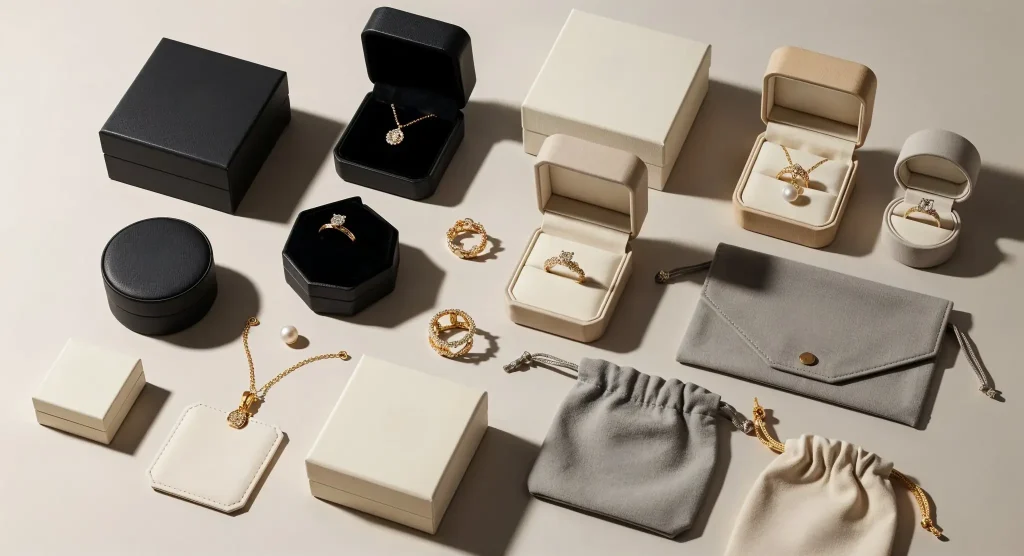
Luxury packaging is increasingly judged by touch.
Popular tactile materials:
- Velvet finishes
- PU leather surfaces
- Linen-textured paper
- Microfiber interiors
- Soft-touch coatings
Texture creates subconscious associations with craftsmanship and exclusivity.
Consumers often equate heavier, softer packaging with higher product value.
7. Digital Integration: Physical Meets Digital
2026 introduces “phygital” packaging — combining physical packaging with digital interaction.
Examples include:
- QR codes linking to brand stories
- Authentication verification pages
- Care instruction videos
- AR product experiences
Packaging becomes an interactive brand platform rather than a disposable object.
8. Reusable and Keepsake Packaging
Luxury jewelry boxes are increasingly designed for long-term use.
Reusable packaging includes:
- Jewelry storage boxes
- Travel cases
- Drawer organizers
- Modular storage systems
When customers reuse packaging, brands gain continuous visibility inside customers’ daily lives.
9. Gender-Neutral Packaging Design
As men’s jewelry markets expand, packaging aesthetics evolve.
Design shifts toward:
- Neutral tones
- Clean geometry
- Minimal decoration
- Universal elegance
Gender-neutral packaging broadens audience appeal and supports modern branding.
10. Social Media–Ready Unboxing Design
Packaging must now perform well on camera.
Design considerations include:
- Smooth opening motion
- Layered reveals
- Photogenic interiors
- Balanced color contrast
Unboxing experiences drive organic marketing through social sharing.
Packaging becomes a marketing channel itself.
How Jewelry Brands Can Apply These Trends
Successful brands do not follow every trend. Instead, they select elements aligned with their identity:
- Sustainable materials for ethical branding
- Premium printing for luxury positioning
- Structural innovation for experience design
- Personalization for emotional connection
The goal is consistency between jewelry design and packaging presentation.
The Role of Professional Packaging Manufacturers
Implementing luxury packaging trends requires technical expertise and manufacturing precision.
Experienced jewelry packaging manufacturers help brands achieve:
- Material optimization
- Structural engineering
- Print accuracy
- Quality consistency
- Scalable production
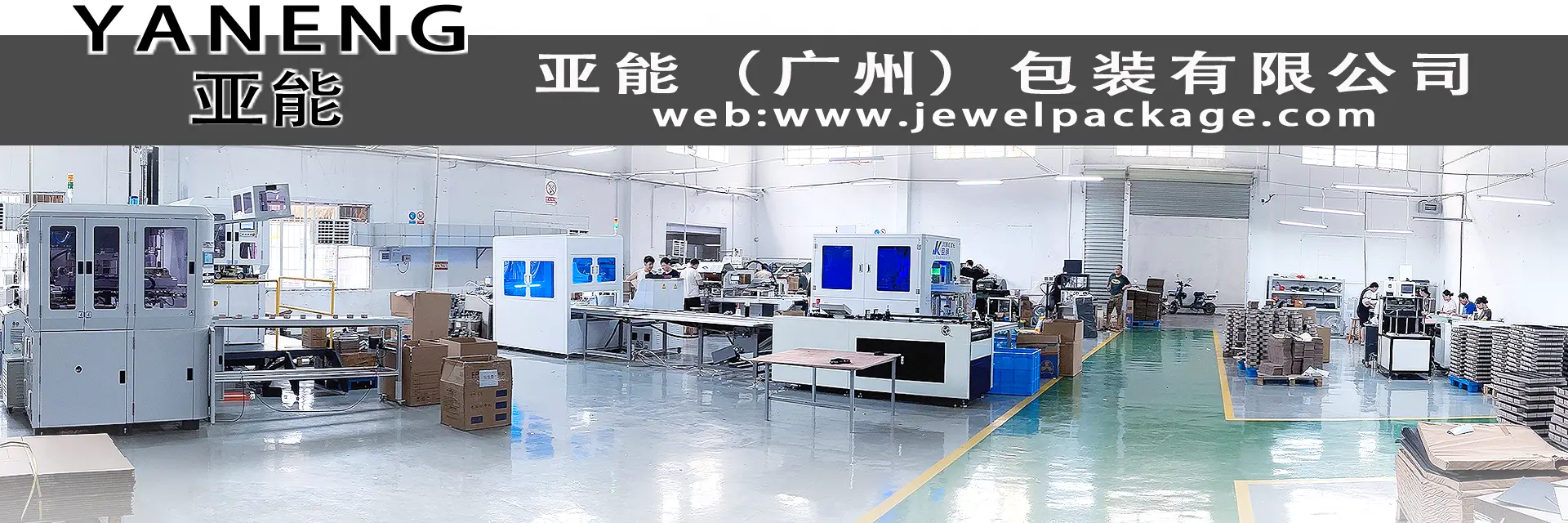
Yaneng Packaging Manufacturer supports global jewelry brands by combining custom design capability with strict quality monitoring and advanced production techniques, helping businesses transform packaging concepts into premium finished products.
Final Thoughts
Luxury jewelry packaging in 2026 is defined by experience, responsibility, and emotional storytelling.
The future of packaging lies in balancing:
- Sustainability
- Craftsmanship
- Technology
- Personalization
- Brand identity
Brands that invest strategically in packaging will not only protect their jewelry but also elevate customer perception and long-term brand loyalty.
Luxury packaging is no longer an accessory — it is part of the jewelry itself.