



Best Materials for Jewelry Packaging Boxes
Complete Guide to Choosing the Right Material for Your Brand
Choosing the right material for jewelry packaging boxes is one of the most important decisions for any jewelry brand.
The material not only affects protection and durability, but also determines how customers perceive your brand—whether it feels luxury, affordable, or eco-friendly.
In this guide, you’ll discover the best materials for jewelry packaging, their pros and cons, and how to choose the right one for your business.
At Yaneng Jewelry Packaging, we help brands select and customize materials that balance quality, cost, and branding impact.
1. Rigid Paperboard (Most Popular Choice)
Why It’s #1
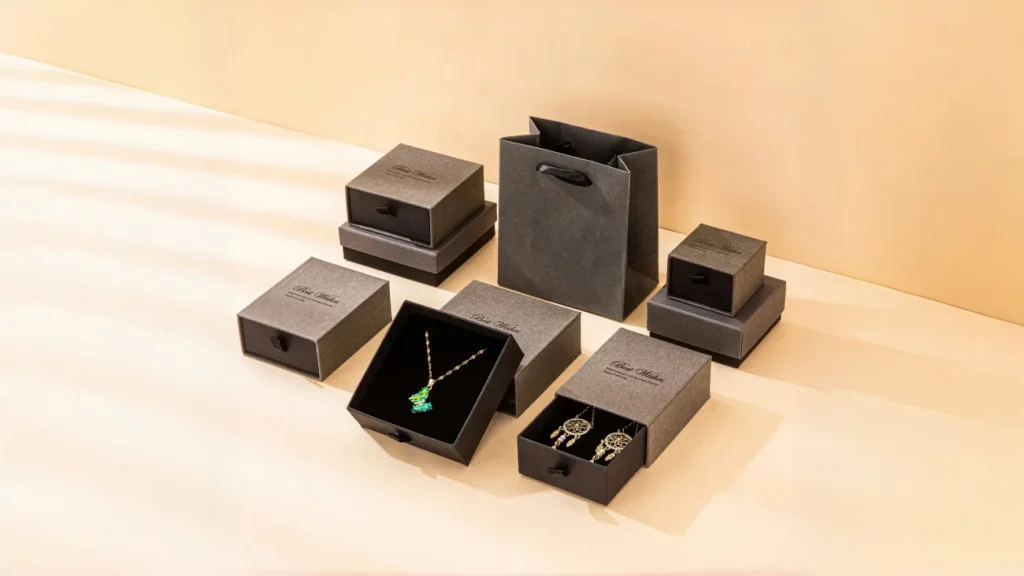
Rigid paperboard (hard cardboard) is the industry standard for custom jewelry boxes.
Advantages:
- Strong and durable structure
- Excellent for printing logos and branding
- Cost-effective for bulk orders
- Lightweight for shipping
Best For:
- Custom jewelry boxes
- Wholesale packaging
- Most jewelry brands
💡 If you want the best balance of price + customization + quality, this is your go-to material.
2. Velvet & Suede (Luxury Interior Material)
Why It’s Popular
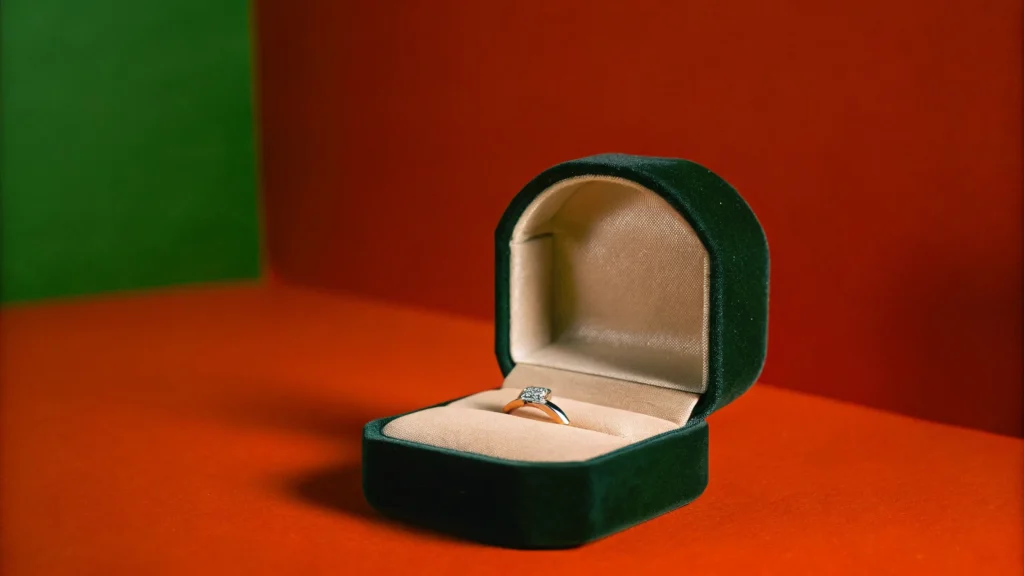
Velvet is widely used in high-end jewelry packaging for its soft and premium feel.
Advantages:
- Protects jewelry from scratches
- Enhances luxury perception
- Soft and elegant texture
Best For:
- Ring boxes
- Necklace boxes
- Premium collections
👉 Usually used as inner lining, not the main structure.
3. PU Leather (High-End Exterior Material)
Why Brands Love It
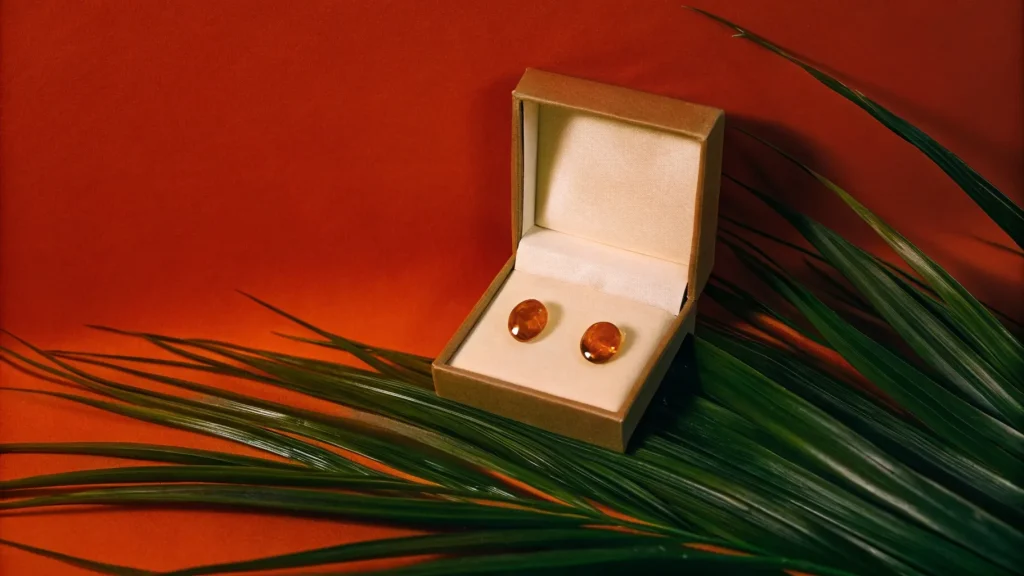
PU leather gives packaging a luxury, durable, and modern look.
Advantages:
- Premium appearance
- Water-resistant and durable
- Smooth or textured finishes
Best For:
- Luxury jewelry brands
- Gift packaging
- High-margin products
💡 Often combined with rigid board for structure.
4. Solid Wood (Ultimate Luxury Option)
Why It Stands Out
Wood offers a timeless and high-value feel that’s hard to replicate.
Advantages:
- Extremely durable
- Premium and natural look
- Strong brand positioning
Disadvantages:
- High cost
- Heavy for shipping
Best For:
- High-end jewelry
- Watches
- Special edition packaging
5. Microfiber & Fabric (Modern Minimalist Choice)
Why It’s Trending
Microfiber and fabric packaging are popular for lightweight and minimalist brands.
Advantages:
- Soft and flexible
- Cost-effective
- Great for pouches
Best For:
- Everyday jewelry
- Travel packaging
- Budget-friendly brands
6. Plastic & Acrylic (Display-Focused Packaging)
Why It’s Used
Plastic or acrylic is often used for clear display boxes.
Advantages:
- Transparent display
- Durable and lightweight
- Unique shapes possible
Disadvantages:
- Less eco-friendly
- Lower perceived luxury
Best For:
- Fashion jewelry
- Retail display
7. Metal (Rare but Premium)
Why It’s Unique
Metal packaging offers maximum durability and a modern premium feel.
Advantages:
- Strong and long-lasting
- Reusable and recyclable
- Unique appearance
Disadvantages:
- Expensive
- Heavy
Best For:
- Limited editions
- Special collections
8. Eco-Friendly Materials (Fast Growing Trend)
Why It Matters
Sustainability is becoming a key buying factor.
Popular Options:
- Recycled cardboard
- FSC-certified paper
- Biodegradable materials
Advantages:
- Environmentally friendly
- Appeals to modern consumers
- Enhances brand image
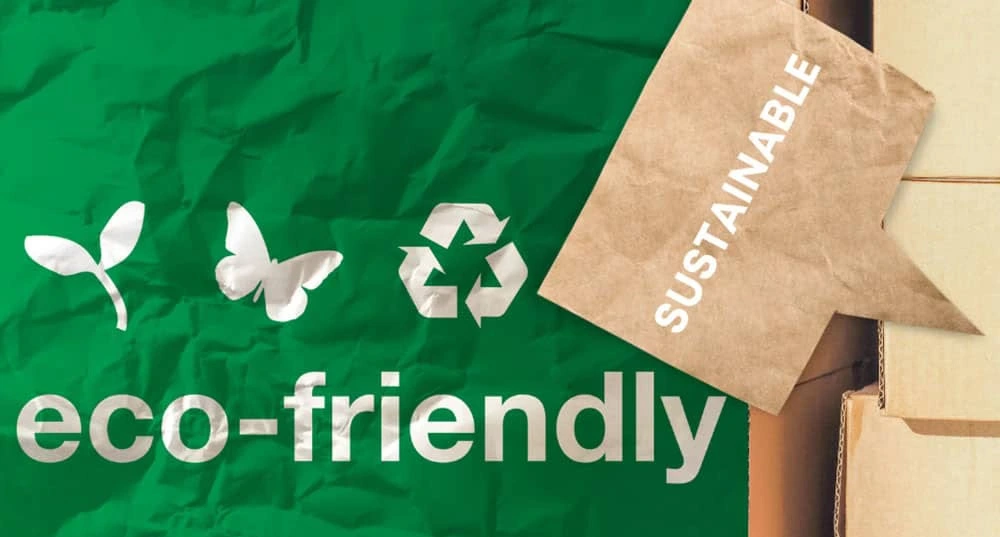
Eco-friendly paper packaging is widely used because it’s recyclable and cost-effective.
9. The Best Material Combination (Pro Strategy)
Top brands don’t rely on just one material—they combine them.
Ideal Structure:
- Outer layer: rigid paperboard or PU leather
- Inner lining: velvet or microfiber
- Insert: foam or fabric
This layered approach provides protection + luxury + branding impact.
10. How to Choose the Right Material
Consider These 4 Factors:
1. Brand Positioning
- Luxury → PU leather / wood / velvet
- Affordable → paperboard / fabric
2. Budget
- Lower budget → paperboard
- Higher budget → leather or wood
3. Product Type
- Rings → velvet-lined boxes
- Necklaces → structured boxes with inserts
4. Sustainability Goals
- Eco brands → recycled materials
Why Choose Yaneng Jewelry Packaging?
We help you choose the right materials for your market and budget, not just the most expensive ones.
We offer:
- 🎯 Full material customization
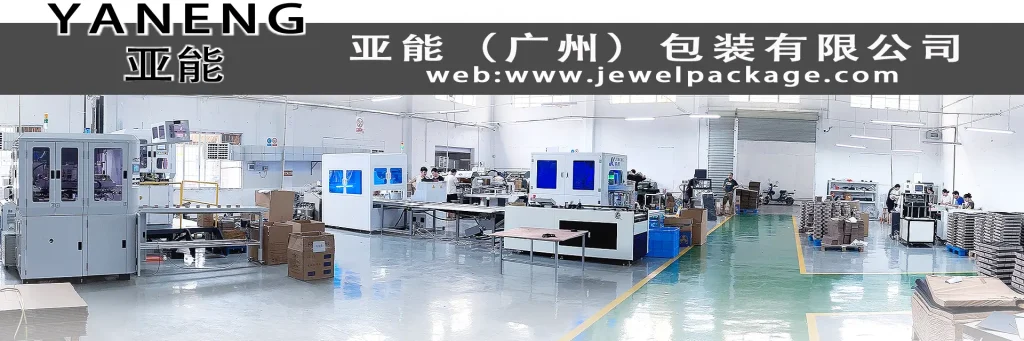
- 🏭 Direct factory production
- 📦 Flexible MOQ
- 💰 Competitive pricing
- ✅ Strict quality control
- 🌍 Global B2B experience
From affordable packaging to luxury designs, we turn your ideas into high-quality products.
Conclusion
There is no single “best” material for jewelry packaging—only the one that fits your brand, budget, and target market.
- Rigid paperboard → best overall choice
- Velvet → luxury interior
- PU leather → premium exterior
- Wood → high-end positioning
- Eco materials → future trend
Choosing the right combination will help you create packaging that protects your jewelry and elevates your brand.