
Custom Jewelry Packaging Cost Guide: How to Reduce Costs Without Losing Quality
For jewelry brands, retailers, and wholesalers, packaging plays an important role in both product protection and brand presentation. A well-designed jewelry box enhances the perceived value of jewelry while creating a memorable unboxing experience for customers.
However, many businesses struggle to understand the real cost of custom jewelry packaging. Prices can vary depending on materials, box structure, printing techniques, and order quantities.
This guide explains the key factors that affect custom jewelry packaging costs and provides practical tips to help jewelry businesses control packaging expenses while maintaining high quality.
Why Jewelry Packaging Costs Matter for Jewelry Brands
Packaging is more than just a protective container. It directly affects brand image, customer experience, and operational costs.
For jewelry businesses, the right packaging strategy can help:
- Improve product presentation
- Strengthen brand identity
- Reduce shipping and storage costs
- Increase perceived product value
Understanding the cost structure of custom jewelry packaging helps businesses make smarter decisions when choosing packaging solutions.
Key Factors That Affect Custom Jewelry Packaging Costs
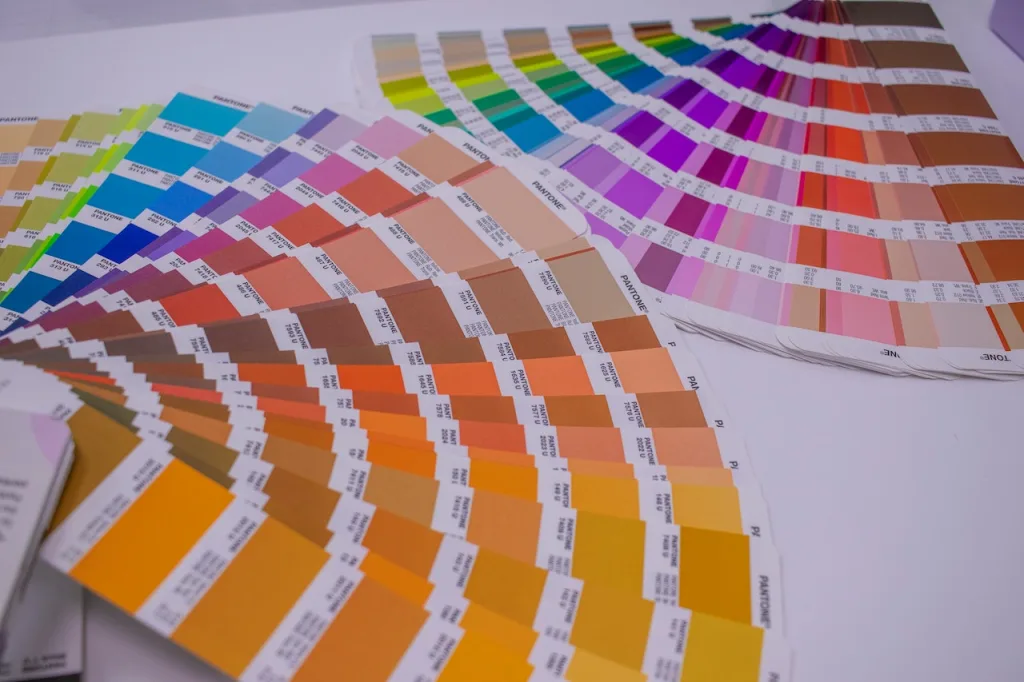
Several factors determine the final price of custom jewelry boxes. The most important elements include materials, box style, printing methods, order quantity, and packaging inserts.
1. Packaging Materials
Materials are one of the biggest cost factors in jewelry packaging.
Different materials create different price levels and brand positioning.
Paper Jewelry Boxes
Paper jewelry boxes are one of the most cost-effective packaging options. They are made from rigid cardboard or paperboard and can be customized with different printing techniques.
Benefits include:
- Lower production cost
- Eco friendly materials
- High customization flexibility
Paper jewelry boxes are widely used by jewelry retailers and wholesalers.
PU Leather Jewelry Boxes
PU leather jewelry boxes provide a more luxurious look and feel.
They are commonly used for high-end jewelry such as engagement rings, luxury watches, and premium jewelry sets.
Advantages include:
- Elegant appearance
- Durable structure
- Premium brand perception
However, PU leather packaging is usually more expensive than paper packaging.
Velvet Jewelry Boxes
Velvet jewelry boxes are often used for luxury jewelry packaging because of their soft texture and elegant presentation.
They create a high-end unboxing experience and provide excellent protection for delicate jewelry pieces.
2. Jewelry Box Structure and Design
The structure of the jewelry box also affects production cost.
More complex box designs usually require additional materials and manufacturing processes.
Common jewelry box structures include:
- Lid and base boxes
- Drawer jewelry boxes
- Magnetic closure boxes
- Flip top jewelry boxes
Among these options, simple lid and base boxes are usually the most economical, while magnetic boxes and drawer boxes tend to be more expensive due to additional components.
3. Printing and Finishing Techniques
Printing and finishing techniques significantly influence packaging costs.
Basic printing methods include:
- Logo printing
- Silk screen printing
- Offset printing
Premium finishing techniques include:
- Foil stamping
- Embossing or debossing
- Spot UV coating
- Soft touch lamination
These techniques improve the visual appeal of jewelry packaging but also increase production costs.
Jewelry brands often combine several techniques to create a luxury packaging effect.
4. Packaging Inserts
Packaging inserts protect jewelry and enhance presentation.
Common insert materials include:
- EVA foam
- Sponge inserts
- Velvet inserts
- Microfiber inserts
Custom inserts designed to perfectly fit jewelry pieces provide better protection but may increase packaging costs.
However, well-designed inserts can also improve customer perception and product safety.
5. Order Quantity (MOQ)
Order quantity has a major impact on packaging cost per unit.
Most jewelry packaging manufacturers offer lower prices for larger orders because production setup costs are spread across more units.
For example:
- Small order quantities usually have higher unit prices
- Large wholesale orders reduce cost per box
Jewelry wholesalers and retailers often benefit from ordering packaging in larger quantities.
6. Customization Level
Customization also affects packaging cost.
Common customization options include:
- Custom box sizes
- Custom logo printing
- Unique packaging structures
- Special materials
Highly customized packaging provides stronger brand identity but may require additional design and production costs.
Businesses should balance customization with cost efficiency.
How Jewelry Businesses Can Reduce Packaging Costs
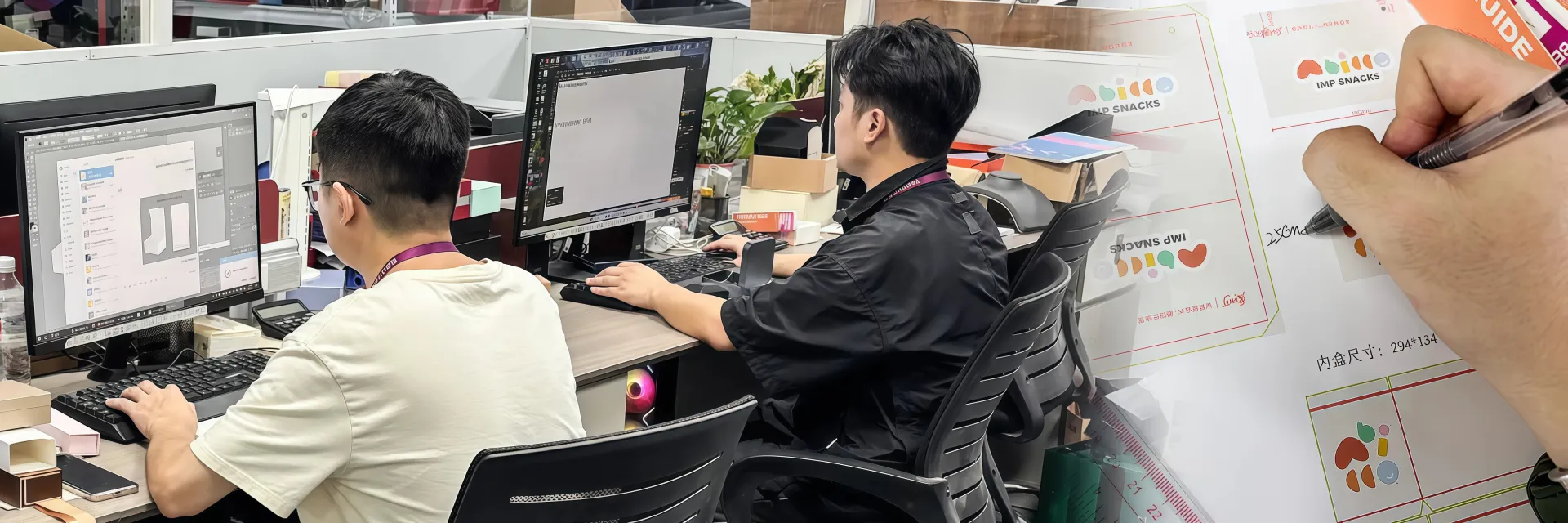
Reducing packaging costs does not mean sacrificing quality. Several strategies can help businesses control expenses while maintaining professional packaging design.
Optimize Box Size
Oversized packaging wastes materials and increases shipping costs.
Designing boxes that closely match jewelry size can reduce material usage and transportation expenses.
Choose the Right Materials
Not all jewelry products require luxury packaging materials.
For example:
- Everyday jewelry may use paper packaging
- Premium jewelry may use PU leather or velvet boxes
Selecting the right material based on product value helps balance cost and presentation.
Simplify Packaging Structure
Complex box structures often increase manufacturing costs.
Simpler designs such as lid and base boxes or flip boxes can significantly reduce production expenses.
Use Efficient Printing Methods
Instead of using multiple expensive finishing techniques, brands can choose one or two premium printing methods to achieve an elegant look while controlling costs.
Work with Experienced Packaging Manufacturers
Experienced jewelry packaging manufacturers can provide professional advice on material selection, structural design, and cost optimization.
Manufacturers often help businesses find the most efficient production solutions without compromising packaging quality.
Yaneng Packaging, for example, supports jewelry brands, wholesalers, and retailers by providing custom jewelry packaging solutions that balance cost, quality, and design flexibility.
Final Thoughts
Custom jewelry packaging is an important investment for jewelry businesses. It protects valuable products while strengthening brand image and improving customer experience.
Understanding the main cost factors — including materials, box structure, printing techniques, inserts, and order quantities — allows businesses to make better packaging decisions.
With the right packaging strategy and the support of an experienced packaging manufacturer, jewelry brands can create beautiful custom jewelry packaging while maintaining cost efficiency.
High-quality packaging does not always mean high cost. With careful planning, businesses can achieve both affordability and luxury presentation.