
Jewelry Box Materials Guide: How to Choose the Best Material for Jewelry Packaging
Jewelry packaging plays a vital role in protecting valuable pieces while also presenting them in a way that reflects the brand’s identity. One of the most important aspects of jewelry packaging is the material used to make the jewelry box. The right material can influence durability, appearance, sustainability, and the overall unboxing experience.
For jewelry brands, retailers, and wholesalers, choosing the correct jewelry box material is not simply a design decision—it is a strategic choice that affects product protection, customer perception, and cost.
This jewelry box materials guide will explain the most common materials used in jewelry packaging, their advantages, and how to select the best option for your brand.
Why Jewelry Box Materials Matter
The material of a jewelry box determines much more than its appearance. It directly impacts several key factors:
1. Product Protection
Jewelry pieces such as rings, necklaces, bracelets, and earrings are delicate and valuable. A well-constructed jewelry box with the right material prevents scratches, damage, and movement during shipping and display.
2. Brand Image
Luxury jewelry brands often rely on high-end materials to communicate quality and prestige. Packaging materials can immediately influence how customers perceive the value of the jewelry inside.
3. Customer Experience
The texture, color, and finishing of a jewelry box contribute to the overall unboxing experience. Premium materials create a memorable moment for customers receiving or purchasing jewelry.
4. Sustainability Considerations
More jewelry brands are choosing environmentally responsible packaging materials to meet consumer expectations and sustainability goals.
Understanding the characteristics of different materials helps businesses make smarter packaging decisions.
Common Jewelry Box Materials
Several materials are widely used in jewelry box manufacturing. Each has unique advantages depending on the type of jewelry, brand positioning, and packaging budget.
Paper and Cardboard Jewelry Boxes
Paper-based jewelry boxes are among the most popular packaging options due to their versatility and cost efficiency.
These boxes are typically made from rigid cardboard or thick paperboard, providing a sturdy structure while remaining lightweight.
Advantages
- Cost-effective for large-scale production
- Easy to customize with printing, foil stamping, and embossing
- Available in many colors and textures
- Environmentally friendly when using recyclable materials
Paper jewelry boxes are commonly used for retail jewelry brands, promotional packaging, and large wholesale orders.
They can also achieve a luxury appearance when combined with premium finishes such as soft-touch lamination or foil stamping.
PU Leather Jewelry Boxes
PU leather jewelry boxes are widely used in luxury jewelry packaging due to their elegant and sophisticated appearance.
PU leather is a synthetic material designed to replicate the look and feel of genuine leather while being more affordable and easier to maintain.
Advantages
- Premium and luxurious look
- Smooth and soft surface texture
- Durable and long-lasting
- Ideal for high-end jewelry collections
PU leather boxes are frequently used for engagement rings, watches, and luxury jewelry sets. The material enhances the perceived value of the jewelry inside and creates a refined presentation.
Velvet Jewelry Boxes
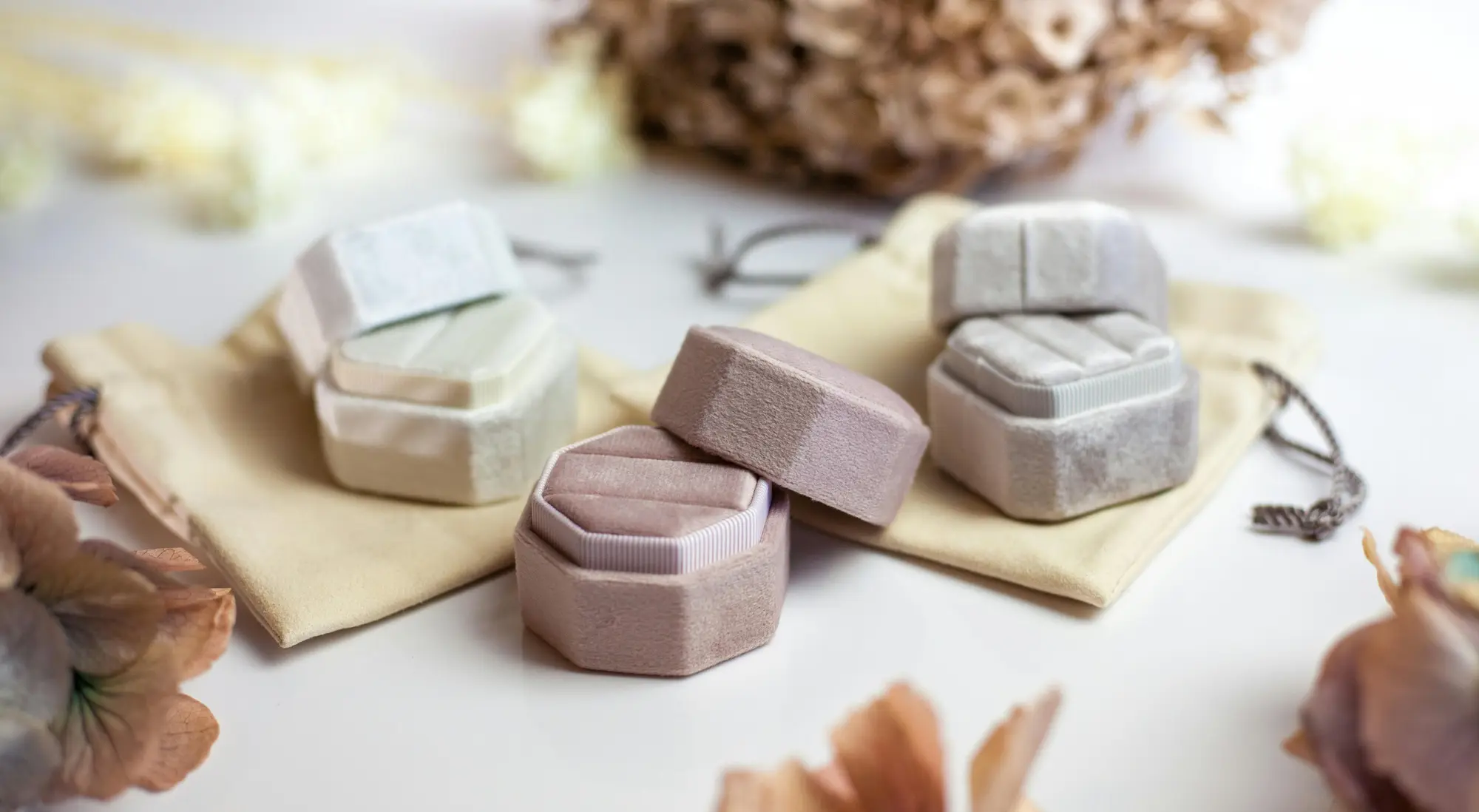
Velvet jewelry boxes are known for their soft, elegant texture and luxurious feel. Velvet has been used in jewelry packaging for many years because of its association with high-end presentation.
Advantages
- Soft and delicate surface
- Strong luxury appeal
- Excellent for protecting delicate jewelry
- Popular for rings, earrings, and necklaces
Velvet boxes are especially common in jewelry stores and gift packaging because they provide a premium visual and tactile experience.
Wooden Jewelry Boxes
Wooden jewelry boxes are typically used for premium jewelry packaging or luxury storage boxes.
These boxes are made from natural wood materials or engineered wood, often finished with lacquer, varnish, or decorative coatings.
Advantages
- Extremely durable
- Natural and elegant appearance
- Ideal for luxury and collector items
- Long-lasting storage solution
Wooden jewelry boxes are often chosen by brands that want to emphasize craftsmanship and exclusivity.
Fabric Jewelry Pouches
Although not technically boxes, fabric jewelry pouches are a common packaging option for jewelry brands.
They are usually made from velvet, microfiber, cotton, or satin materials.
Advantages
- Lightweight and portable
- Cost-effective packaging solution
- Soft protection for jewelry
- Suitable for travel jewelry or small items
Jewelry pouches are often used as secondary packaging or for minimalistic brands that prefer a simple presentation.
Choosing the Best Jewelry Box Material
Selecting the right material depends on several important considerations.
1. Type of Jewelry
Different jewelry types require different packaging protection levels.
For example:
- Rings often use velvet or PU leather boxes
- Necklaces require deeper boxes with secure inserts
- Bracelets may need wider packaging structures
Matching the material with the jewelry type ensures both safety and visual harmony.
2. Brand Positioning
Your packaging should reflect your brand identity.
Luxury jewelry brands usually prefer premium materials such as:
- PU leather
- velvet
- wood
Meanwhile, minimalist or eco-conscious brands may choose recycled paper packaging.
3. Budget and Production Volume
Material selection also affects packaging cost.
Paper boxes are typically the most affordable for large orders, while wooden or leather boxes cost more due to production complexity.
Businesses must balance packaging cost with branding impact.
4. Sustainability Goals
Sustainability has become an important consideration in packaging design.
Many brands are shifting toward:
- recyclable paper materials
- biodegradable packaging components
- reduced plastic usage
Eco-friendly jewelry packaging can strengthen brand reputation and attract environmentally conscious consumers.
The Role of Inserts in Jewelry Box Materials
Besides the exterior material, the inner insert material also plays a crucial role.
Common insert materials include:
- velvet foam inserts
- sponge inserts
- EVA foam
- satin fabric lining
These inserts help secure the jewelry and prevent movement inside the box, ensuring the piece remains protected during shipping and display.
How a Professional Manufacturer Helps Choose the Right Material
Working with an experienced jewelry packaging manufacturer can greatly simplify the material selection process.
Professional manufacturers understand how different materials perform in terms of durability, printing compatibility, and production efficiency.
They can also recommend materials based on your:
- jewelry type
- brand positioning
- packaging budget
- order quantity
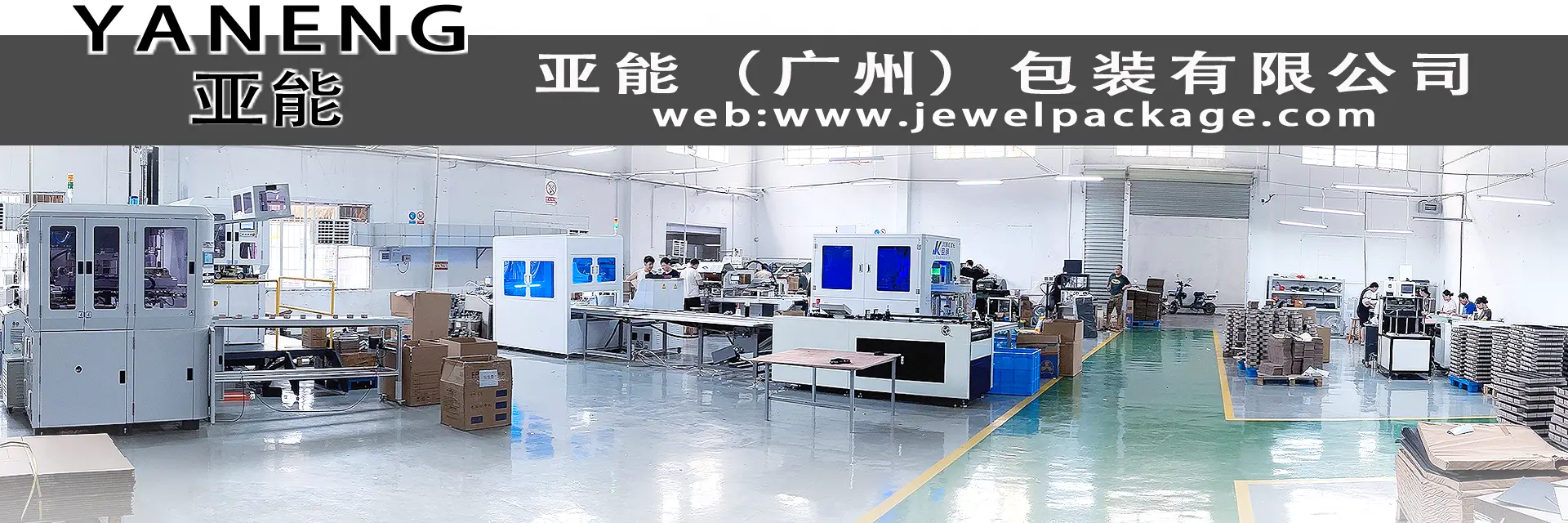
For businesses looking for reliable custom jewelry packaging, Yaneng Jewelry Packaging provides comprehensive packaging solutions including material selection, structural design, printing, and quality control.
With years of experience in jewelry packaging manufacturing, Yaneng Jewelry Packaging supports jewelry brands, retailers, and wholesalers worldwide with customized packaging solutions that balance aesthetics, protection, and cost efficiency.
Future Trends in Jewelry Box Materials
The jewelry packaging industry continues to evolve as brands seek more sustainable and innovative materials.
Some emerging trends include:
- recycled paper jewelry boxes
- biodegradable packaging materials
- minimalist packaging designs
- reusable jewelry storage boxes
These trends reflect changing consumer expectations and the growing importance of environmental responsibility.
Conclusion
Choosing the right jewelry box material is essential for creating packaging that protects jewelry, enhances brand identity, and delivers a memorable customer experience.
From paper and cardboard to PU leather, velvet, and wood, each material offers unique advantages depending on your brand’s goals and product positioning.
By understanding the strengths of different materials and working with an experienced manufacturer like Yaneng Jewelry Packaging, jewelry brands can develop packaging solutions that combine beauty, functionality, and long-term value.
Thoughtfully designed jewelry packaging not only protects precious pieces—it also strengthens the brand image and creates a lasting impression for customers.