
Jewelry Packaging Design Guide: How to Create Packaging That Elevates Your Brand
Jewelry packaging is more than just a box that holds a product. It is an important part of brand identity, customer experience, and product protection. For jewelry brands, retailers, and wholesalers, well-designed packaging can significantly influence how customers perceive the value of the jewelry inside.
A thoughtfully designed jewelry package can transform a simple purchase into a memorable experience. From the material and structure to colors and logo placement, every design detail contributes to how customers interact with the brand.
This jewelry packaging design guide explores the key elements of effective jewelry packaging and provides practical tips to help jewelry businesses create packaging that reflects quality, enhances brand recognition, and protects valuable pieces.
Why Jewelry Packaging Design Matters
Packaging design plays a crucial role in the jewelry industry. Jewelry is often purchased as a gift or as a meaningful personal item, so presentation is extremely important.
1. Strengthening Brand Identity
Consistent packaging design helps customers recognize a brand instantly. A distinctive jewelry box design with unique colors, textures, and logos can reinforce a brand’s visual identity and create a lasting impression.
2. Enhancing the Unboxing Experience
The unboxing moment is a powerful part of the customer journey. When customers open a beautifully designed jewelry box, it creates excitement and emotional connection.
Luxury jewelry brands especially invest in packaging that feels premium, elegant, and carefully crafted.
3. Protecting Valuable Jewelry
Beyond aesthetics, jewelry packaging must protect delicate pieces such as rings, necklaces, bracelets, and earrings from scratches, pressure, or movement during transportation.
A well-designed structure and secure insert ensure that the jewelry remains safe and beautifully presented.
Key Elements of Jewelry Packaging Design
Designing effective jewelry packaging involves several important components. Each element contributes to both functionality and brand presentation.
1. Choosing the Right Packaging Structure
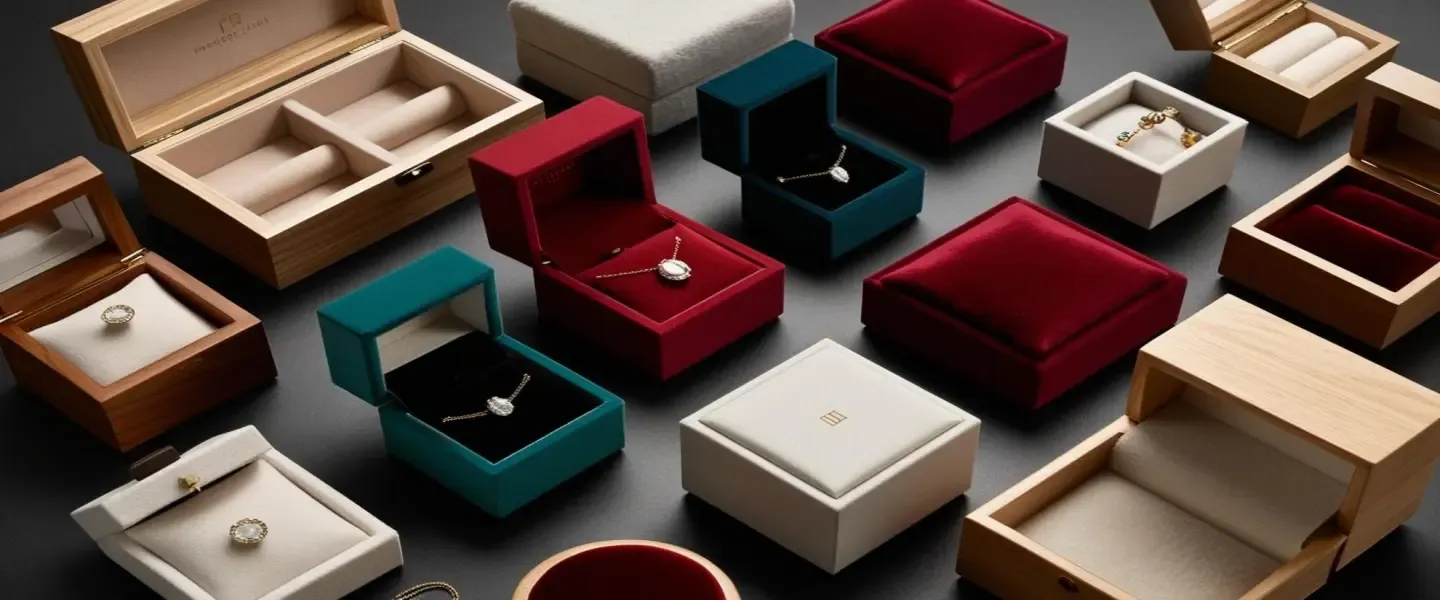
The structure of a jewelry box affects both appearance and usability. Different box styles suit different jewelry products.
Common jewelry box styles include:
- Lid and base boxes – classic and elegant packaging style
- Drawer boxes – modern and practical design
- Magnetic closure boxes – popular for premium packaging
- Flip-top boxes – commonly used for rings and small jewelry
Choosing the correct box structure helps ensure that the jewelry fits securely and looks visually balanced inside the packaging.
2. Selecting High-Quality Materials
The materials used in jewelry packaging greatly influence the overall look and feel of the box.
Common materials include:
Paper and cardboard
These materials are widely used because they are versatile, customizable, and cost-effective.
PU leather
PU leather offers a sophisticated appearance and is commonly used for luxury jewelry boxes.
Velvet
Velvet provides a soft and elegant texture, making it a popular option for high-end jewelry packaging.
Selecting the right material helps communicate brand positioning and product value.
3. Designing the Interior Inserts
Interior inserts keep jewelry secure inside the box and prevent movement.
Common insert materials include:
- foam with velvet covering
- sponge inserts
- EVA foam
- satin lining
A well-designed insert ensures the jewelry sits properly in the box and enhances the presentation.
4. Choosing the Right Colors
Color is one of the most powerful elements in packaging design. It immediately communicates brand personality and style.
For example:
- Black often represents luxury and sophistication
- White suggests simplicity and elegance
- Pastel colors create a soft and romantic impression
- Bold colors can make packaging stand out in retail displays
Consistency between packaging colors and brand identity helps strengthen brand recognition.
5. Logo Placement and Branding
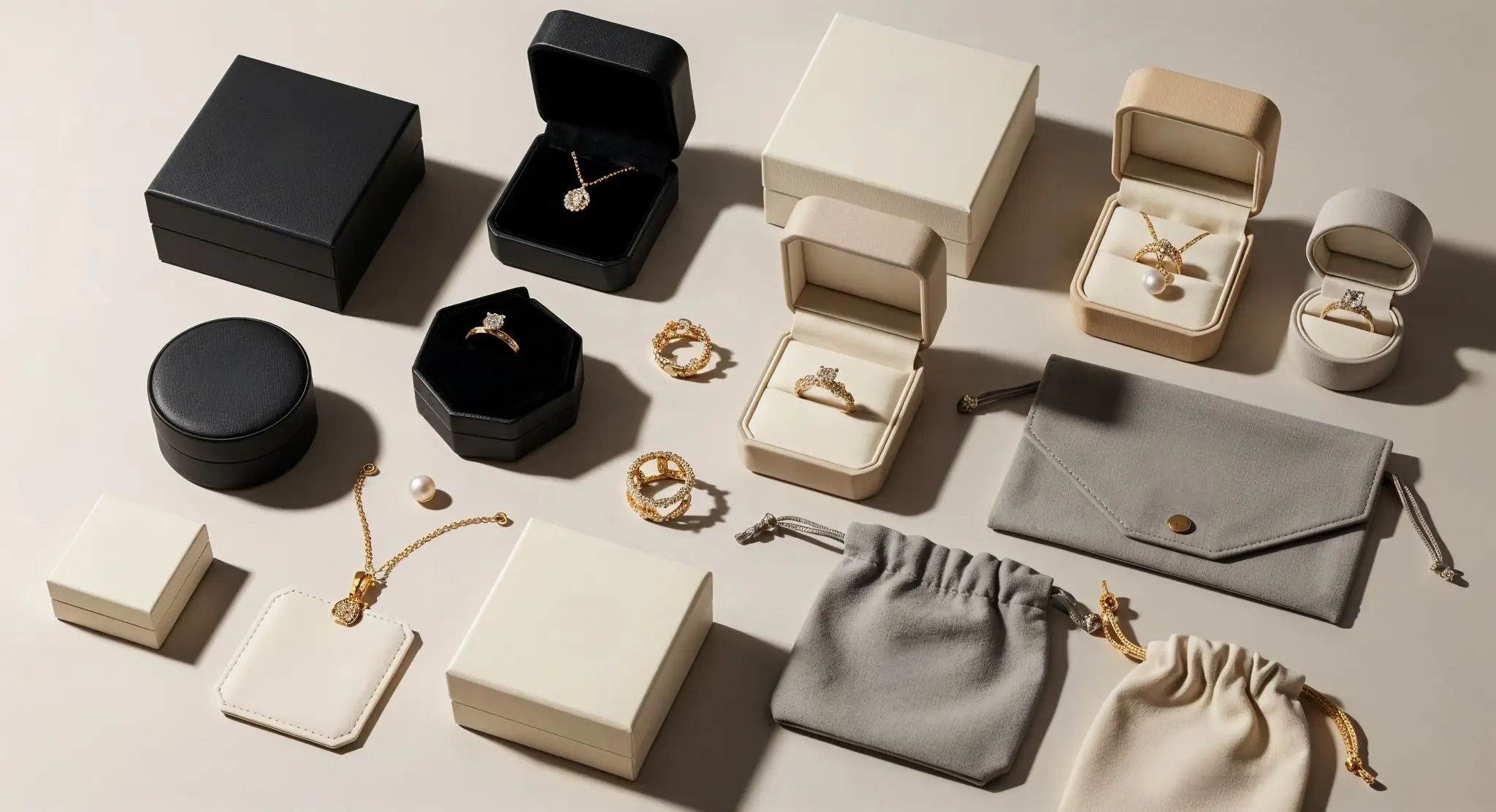
A logo is one of the most important elements of jewelry packaging design. Strategic logo placement can elevate packaging and make it instantly recognizable.
Common logo applications include:
- foil stamping
- embossing
- debossing
- silk screen printing
- UV printing
Luxury brands often use foil stamping or embossed logos to create a premium appearance.
Printing Techniques for Jewelry Packaging
Printing techniques can dramatically enhance the visual appeal of jewelry packaging.
Popular printing methods include:
Foil stamping
Creates a metallic shine using gold, silver, or other foil colors.
Embossing and debossing
Adds texture and depth to logos or patterns.
Spot UV
Highlights specific areas with glossy coating.
Silk screen printing
Provides clean and precise logo printing on many surfaces.
These finishing techniques help jewelry packaging look more refined and professional.
Custom Jewelry Packaging for Different Jewelry Types
Different jewelry products require different packaging solutions.
Ring Packaging
Ring boxes are typically small and designed with secure inserts to hold the ring upright.
Necklace Packaging
Necklace boxes require deeper structures to prevent chains from tangling.
Bracelet Packaging
Bracelet boxes often include cushioned inserts that hold the bracelet in place.
Jewelry Set Packaging
Jewelry sets may require larger boxes with multiple compartments for coordinated presentation.
Custom packaging ensures that each jewelry piece is protected while also presented attractively.
Sustainable Jewelry Packaging Design
Sustainability is becoming increasingly important in packaging design.
Many jewelry brands now choose eco-friendly packaging materials to reduce environmental impact.
Popular sustainable packaging options include:
- recycled paper boxes
- biodegradable materials
- reusable jewelry boxes
- minimal packaging designs
Sustainable packaging not only benefits the environment but also strengthens a brand’s reputation among environmentally conscious customers.
Working with a Professional Jewelry Packaging Manufacturer
Designing custom jewelry packaging becomes much easier when working with an experienced packaging manufacturer.
A professional manufacturer can assist with:
- packaging structure design
- material selection
- printing techniques
- production optimization
- quality control
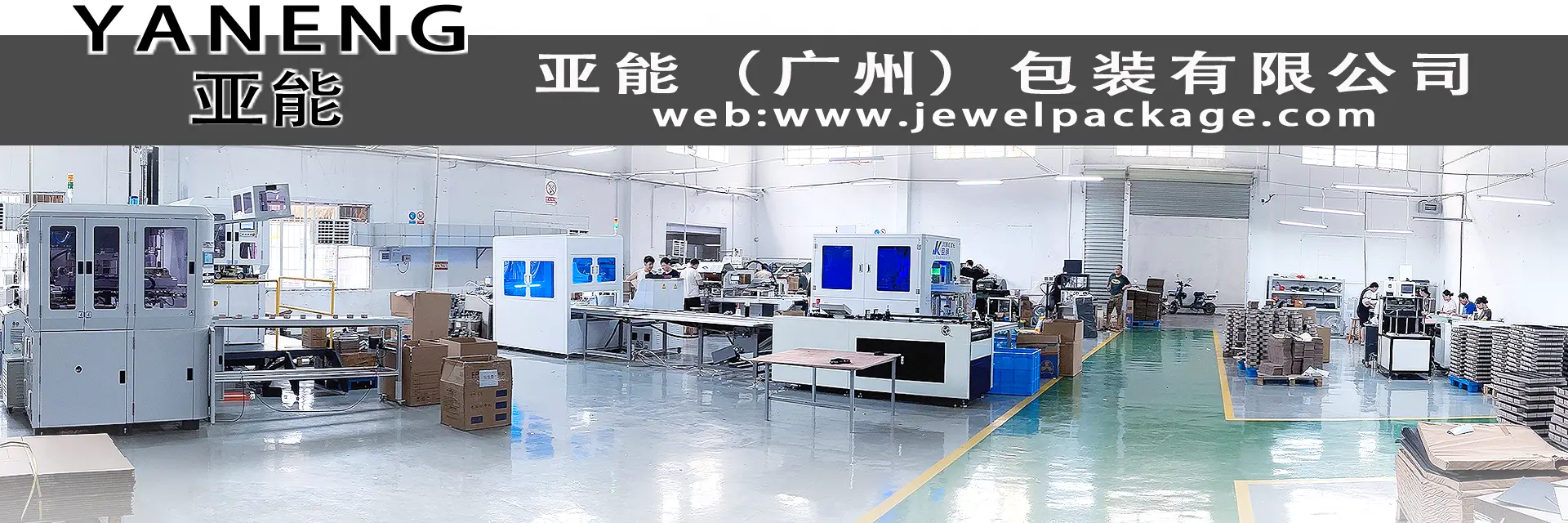
For jewelry brands seeking reliable custom packaging solutions, Yaneng Jewelry Packaging provides comprehensive services from design to production.
With extensive experience in jewelry packaging manufacturing, Yaneng Jewelry Packaging helps businesses develop packaging that combines durability, aesthetics, and cost efficiency. The company supports global jewelry brands, wholesalers, and retailers with customized packaging solutions tailored to different markets and brand styles.
Future Trends in Jewelry Packaging Design
The jewelry packaging industry continues to evolve as consumer preferences change.
Some emerging trends include:
- minimalist luxury packaging
- eco-friendly packaging solutions
- personalized packaging experiences
- reusable jewelry boxes
- innovative opening mechanisms
Brands that adopt modern packaging design trends can create stronger customer engagement and stand out in competitive markets.
Conclusion
Jewelry packaging design is a powerful tool for building brand identity, protecting valuable pieces, and creating memorable customer experiences.
By carefully considering packaging structure, materials, colors, inserts, and printing techniques, jewelry brands can develop packaging that enhances both functionality and visual appeal.
Working with an experienced packaging manufacturer like Yaneng Jewelry Packaging ensures that every design detail is executed with precision and quality.
Well-designed jewelry packaging does more than hold a product—it tells a brand story and elevates the entire jewelry experience.