
Export packaging guide – 7 considerations for international shipping
When it comes to international shipping, how you package your products can make or break your success. Your packaging doesn’t just protect your goods—it also affects costs, compliance, and the customer experience. No matter where your products are going, like the United States or Europe, secure packaging is very important. It should meet regulations and fit the transportation methods used.
In this guide, we will cover 7 important points for export packaging. This will help make your international shipments efficient, compliant, and safe from damage.
1. Know the rules of the destination country
Every destination country has its own set of packaging regulations. These may include restrictions on packaging materials, labeling requirements, or documentation rules. Many countries, including the United States, require wooden packaging to follow ISPM 15. This rule says wood must be heat-treated and stamped correctly to stop pests from spreading.
Failure to meet local regulations can result in customs delays, fines, or returned shipments. Always verify the packaging standards with your freight forwarder, customs broker, or local government websites before shipping. If you’re sending goods to multiple countries, make sure your packaging meets the most stringent requirements.
2. Use the right packaging materials
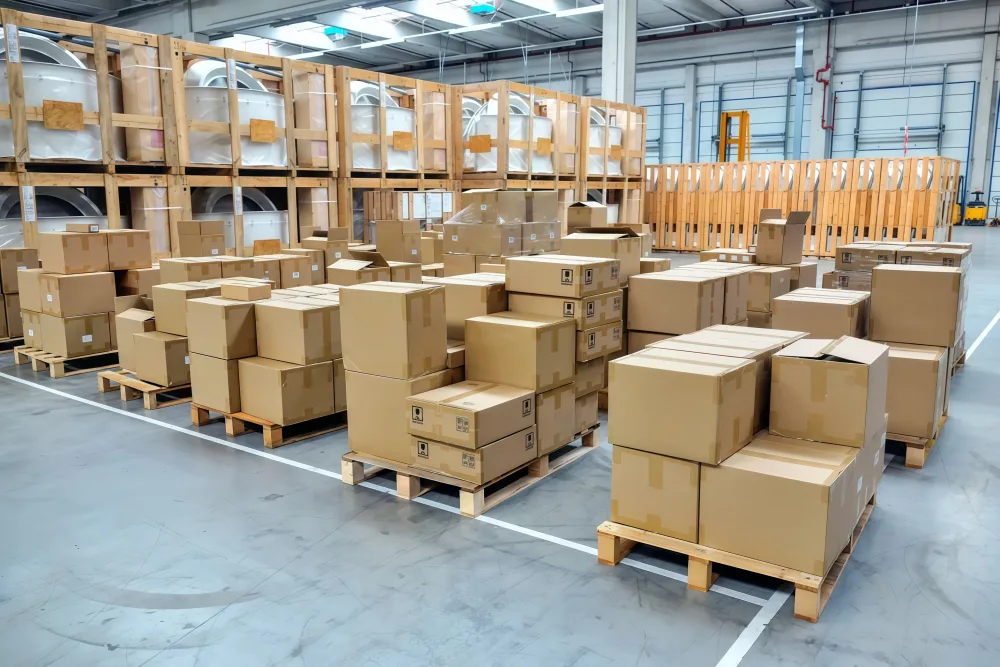
Choosing the right packaging materials is not just about protection. It is also about cost, sustainability, and how well it fits your product and transport method. Consider these common materials:
- Corrugated cardboard: Great for lightweight items, commonly used for e-commerce. Offers a good balance between protection and cost.
- Plywood or wooden crates: Ideal for heavy machinery, fragile electronics, or large components.
- Plastic containers: Useful for waterproof or reusable options.
- Foam, air pillows, or bubble wrap: Offer internal protection and cushion against shocks.
Try to balance strength and weight. Lightweight but durable materials help you stay cost effective while providing enough protection.
3. Match packaging to the mode of transportation
Not all transportation methods are equal when it comes to packaging needs. Your packaging should be tailored to the mode of transportation, whether that’s air freight, sea, road, or rail.
- Air freight: Requires lightweight, compact, and secure packaging. Weight matters more here, as air shipping is priced based on size and weight.
- Ocean freight: It takes longer when exposed to moisture and temperature fluctuations. Use waterproof or corrosion-resistant layers.
- Truck/rail: Can be bumpy and less climate-controlled, so packages must withstand vibration and stacking pressure.
Don’t just pack for protection—pack for the journey your product will take.
4. Consider the size and weight of your shipment
International carriers often charge based on dimensional weight. This calculation considers both the size and weight of your package. A bulky package may cost more to ship than a smaller, denser one, even if the actual weight is the same.
To stay cost effective, keep packaging as compact as possible without compromising product safety. Consider:
- Custom-fit boxes
- Minimal void space
- Efficient palletization to reduce air gaps
Also, group small items into larger master cartons when possible to streamline handling and reduce shipping costs.
5. Prioritize secure packaging to protect products
The longer and more complex the shipping journey, the greater the chances your
goods will be dropped, stacked, or exposed to the weather. That’s why secure packaging is essential.
Some ways to reinforce security include:
- Double-boxing for fragile items
- Internal dividers or custom inserts for multiple items
- Edge protectors and strapping for palletized cargo
- Shock indicators or tilt sensors for sensitive products
- Waterproof liners for sea-bound shipments
Don’t forget external labels like “Fragile” or “Do Not Stack” to guide handlers. The right packaging gives your product a critical layer of protection from the warehouse to the customer’s doorstep.
6. Label and document everything correctly
In international shipments, even perfect packaging can’t make up for missing paperwork or unclear labeling. Clear and compliant labeling helps customs officials, freight carriers, and end-users handle your goods correctly.
Make sure your packaging includes:
- A legible shipping label with full addresses and contact details
- Product description and HS code on the commercial invoice
- Packing list detailing contents and weight
- Certificate of origin, fumigation certificate, or other required documents
Labels should also be applied to multiple sides of the package. If one side gets scuffed or torn during transit, the other remains visible.
7. Keep sustainability and compliance in mind
As more businesses focus on eco-friendly practices, using sustainable packaging is good for the environment. It also appeals to consumers and retailers.
When possible, choose recyclable, biodegradable, or reusable packaging. In countries like the United States, green packaging initiatives are well-supported and often required by major retailers.
Make sure your materials follow international laws. This includes rules about hazardous materials, food safety, and anti-contamination measures.
Sustainable and compliant packaging shows your brand is forward-thinking and responsible.

Bonus: Test your packaging in real-world conditions
Before you commit to a full international rollout, test your packaging in real conditions. Ship a few sample packages using your chosen method and monitor for:
- Damage during transit
- Delays due to customs issues
- Feedback from receivers regarding packaging quality
Use this feedback to adjust packaging designs, reduce waste, and improve customer satisfaction.
You can even simulate drops, stacking, and environmental exposure in a lab setting or via packaging testing services.
Why packaging matters more than you think
Export packaging is not just a box—it’s a business strategy. The right packaging helps you:
- Protect products in unpredictable global transit
- Stay cost effective with the smart use of materials and space
- Meet regulations in any destination country
- Build customer trust with secure, sustainable packaging
- Avoid delays, returns, and damaged goods
Every international shipping project is different, but thoughtful packaging always delivers long-term value.
Yaneng Packaging: Your Reliable Partner for Custom Jewelry Packaging
Yaneng Package is one of the best package manufacturers in China, Guangdong Province, Guangzhou City, Panyu District.
To fully enjoy the benefits of custom-made jewellery boxes, choosing the right manufacturer is crucial. This is where Yaneng Packaging stands out.
Here’s what makes Yaneng Packaging a trusted name:
- Reliable manufacturer: 20+ Years of Jewelry Packaging Manufacturer
- Offering Recyclable Jewelry Packaging
- Free 3D Design Service
- Large Stock Available
- Only MOQ 1 is Required to Bring the Jewelry Packaging Home
- Free Jewelry Packaging Sample
- 1 Year After-Sales Guarantee, Your Confidence Guarantee
Their commitment to quality, innovation, and sustainability means your packaging protects your jewelry and makes a lasting impression.

Ready to level up your export packaging?
If you want to cut costs, avoid product damage, and make international shipments easier, good packaging is key. No matter what you are shipping—electronics, clothing, machinery, or perishables—we can help. We design secure, compliant, and efficient packaging solutions. Our solutions are tailored to your product, budget, and destination.
Contact us today for a free consultation to get started!