
The Importance of Warehousing for Customized Packaging Manufacturers
In today’s fast-moving packaging industry, warehousing solutions play a critical role in helping manufacturers stay competitive, responsive, and efficient. For customized packaging manufacturers, warehousing is not only about storing goods — it is about managing inventory, maintaining smooth production, supporting on-time delivery, and ensuring customers get exactly what they need when they need it.
As brands demand more customized solutions, faster lead times, higher accuracy, and flexible order quantities, packaging manufacturers must rethink traditional workflows. This is where effective warehouse management becomes a strategic advantage.
A well-organized warehouse supports production planning, minimizes waste, improves workflow efficiency, enhances communication across departments, and ultimately delivers improved customer satisfaction. In this article, we will explore why warehousing is essential for customized packaging manufacturers and how a strategic approach to warehouse operations directly impacts business growth and long-term competitiveness.
1. Why Warehousing Matters More for Customized Packaging Manufacturers
Unlike standardized, mass-production industries, customized packaging requires more flexibility and accuracy. Customers often request:
- Unique box sizes
- Special materials
- Exclusive colors
- Personalized printing
- Small batch orders
- Fast replenishment for seasonal products
To meet these needs, manufacturers must hold a wide range of raw materials, semi-finished goods, and finished products. Without efficient warehousing, production becomes chaotic, order delays increase, and errors become more common.
Warehousing becomes the backbone that supports the entire supply chain — from procurement and production to packing and final delivery.
2. Managing Inventory Efficiently
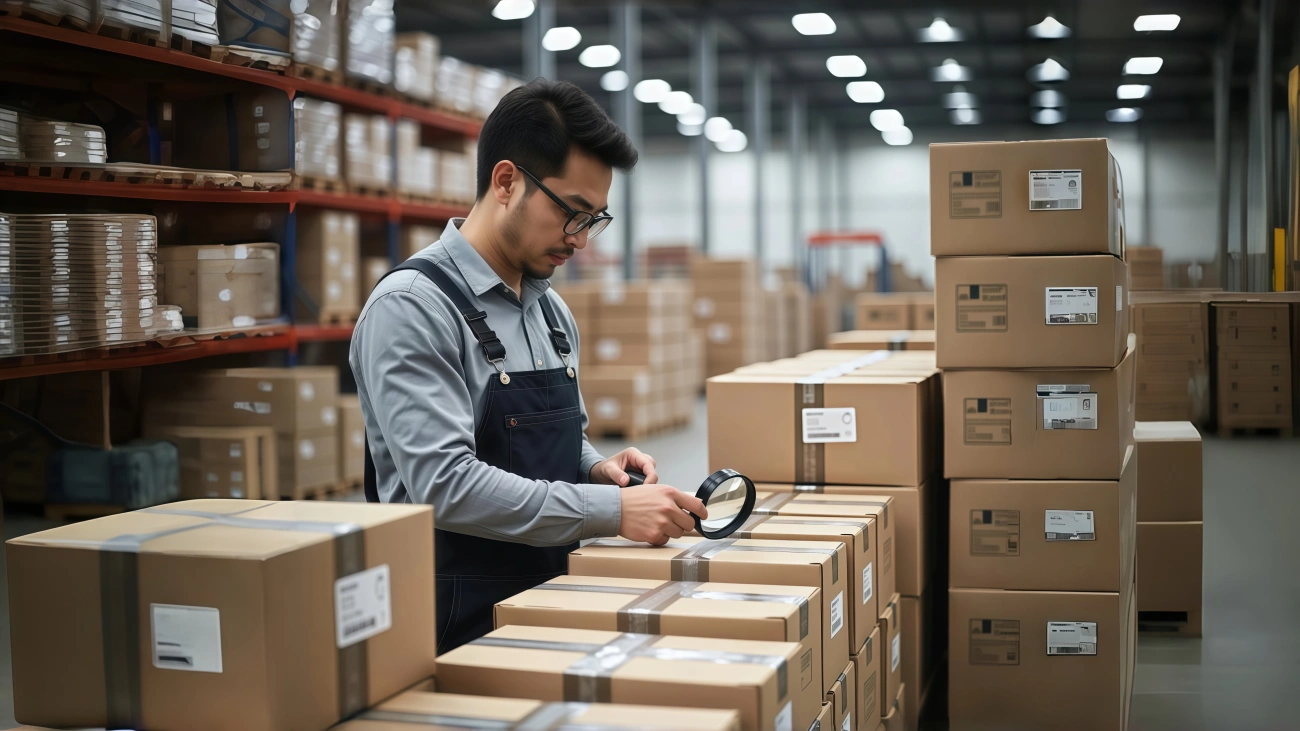
One of the core functions of a modern warehouse is managing inventory.
For customized packaging factories, inventory includes:
- Paper materials
- Specialty fabrics
- Ribbons, foams, EVA inserts
- Printing inks
- Accessories
- Finished packaging boxes
Without proper inventory control, manufacturers face issues such as:
- Over-stocking
- Stock-outs
- Slow production due to missing items
- Rising storage cost
- Excessive waste
To prevent these issues, manufacturers rely on advanced inventory management systems to track stock levels, predict future material needs, and maintain the right balance between supply and demand.
This ensures that every order can be produced efficiently without delays.
3. Real-Time Monitoring for Better Control
In the past, traditional warehousing relied heavily on manual counting and people’s experience. Today, digital tools allow factories to achieve real-time monitoring of everything in the warehouse.
Real-time monitoring helps:
- Track stock levels instantly
- Identify low inventory and trigger replenishment
- Avoid over-purchasing materials
- Reduce the risk of material expiration
- Maintain material quality
- Improve production planning
With accurate, up-to-date information, factory managers can make smarter decisions and keep daily operations smooth.
4. Streamlined Order Processing
For customized packaging businesses, different orders often require different materials, processing methods, and finishing touches. A well-organized warehouse ensures streamlined order processing by:
- Pre-sorting raw materials
- Labeling semi-finished goods
- Preparing finished goods for shipment
- Speeding up picking and packing
- Reducing order mistakes
When warehouse processes are clear and efficient, production lines can run continuously without interruption. Orders ship out faster, and customers enjoy shorter lead times.
5. Strategically Positioning Goods for Faster Access
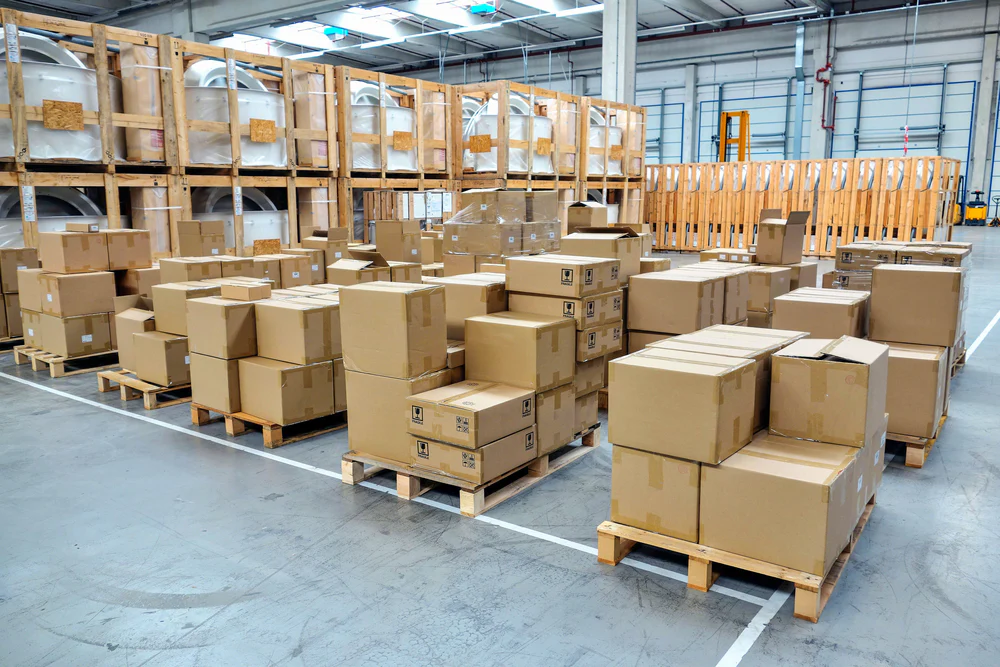
A modern warehouse is designed based on strategically positioning inventory.
This means placing:
- High-turnover items near packing areas
- Heavy materials close to production lines
- Fragile goods in safer zones
- Ready-to-ship items near loading docks
Strategic placement helps optimize workflow, reduce unnecessary movement, and save labor time. It also supports inventory tracking by ensuring everything has a clear, logical location.
6. Optimizing Storage Space & Minimizing Waste
Customized packaging factories often struggle with storing materials of various shapes and sizes. Effective warehousing helps optimize storage by:
- Using vertical shelving
- Creating separate zones for different materials
- Implementing FIFO (first in, first out)
- Providing space for packaging accessories
- Maintaining a clean, safe environment
Proper storage leads to:
- Reduced material waste
- Better protection from moisture or damage
- Longer material lifespan
- Lower operational costs
When factories minimize waste, they also improve sustainability — a value increasingly important to global brands.
7. Customized Warehouse Solutions for Unique Needs
Every packaging factory has different workflows. A customized warehouse solution allows manufacturers to design storage systems that fit their production style.
This may include:
- Special zones for luxury packaging materials
- Temperature-controlled storage for delicate textures
- Dedicated space for bulk raw material
- Fast-moving SKU corridors
- Specialized racks for eco-friendly materials
These tailored setups support the manufacturer’s long-term goals and ensure consistent production quality.
8. Added Services That Enhance Customer Experience
Warehousing isn’t just about storage. Many packaging manufacturers offer added services that improve efficiency and strengthen client relationships.
Common value-added warehouse services include:
- Pre-assembly of packaging sets
- Kitting and bundling services
- Temporary storage for clients
- Quality inspection zones
- Labeling, sorting, and pre-packing
- Drop-shipping for e-commerce brands
By offering these services, manufacturers provide convenience and flexibility — leading to improved customer satisfaction and long-term partnerships.
9. Reducing the Risk in Supply Chain Operations
A stable warehouse system helps manufacturers reduce the risk of disruptions such as:
- Material shortages
- Delivery delays
- Production scheduling conflicts
- Quality inconsistencies
- Incorrect shipments
Preparedness and proper stock levels ensure the manufacturing process remains uninterrupted, even during peak seasons or unexpected shifts in demand.
10. From Traditional Warehousing to Modern, Data-Driven Systems
While traditional warehousing focuses mainly on storage, today’s competitive packaging market requires something more advanced.
Modern warehouse systems combine:
- Digital inventory tracking
- Automated material flow
- Real-time data collection
- Smart storage planning
- Predictive demand analysis
These upgrades allow factories to respond to customer needs faster and more accurately — a key advantage in the competitive world of customized packaging.
11. The Role of Warehousing in Long-Term Growth
For customized packaging manufacturers, warehousing is not just a support function — it is a strategic investment.
A well-managed warehouse contributes to:
- Stronger supply chain performance
- Lower production cost
- Faster delivery times
- Consistent quality output
- Higher customer loyalty
- Better scalability
In a market where brands expect speed, flexibility, and quality, warehouse capability directly influences the manufacturer’s reputation and success.
12. Yaneng Packaging: A Reliable Partner with Strong Warehouse Capabilities
As a leading customized packaging manufacturer, Yaneng Packaging understands the importance of strong warehouse operations in supporting global clients.
Yaneng’s warehousing system is designed to:
- Handle diverse materials used in luxury and jewelry packaging
- Maintain stable stock levels for fast production
- Support real-time monitoring and accurate inventory tracking
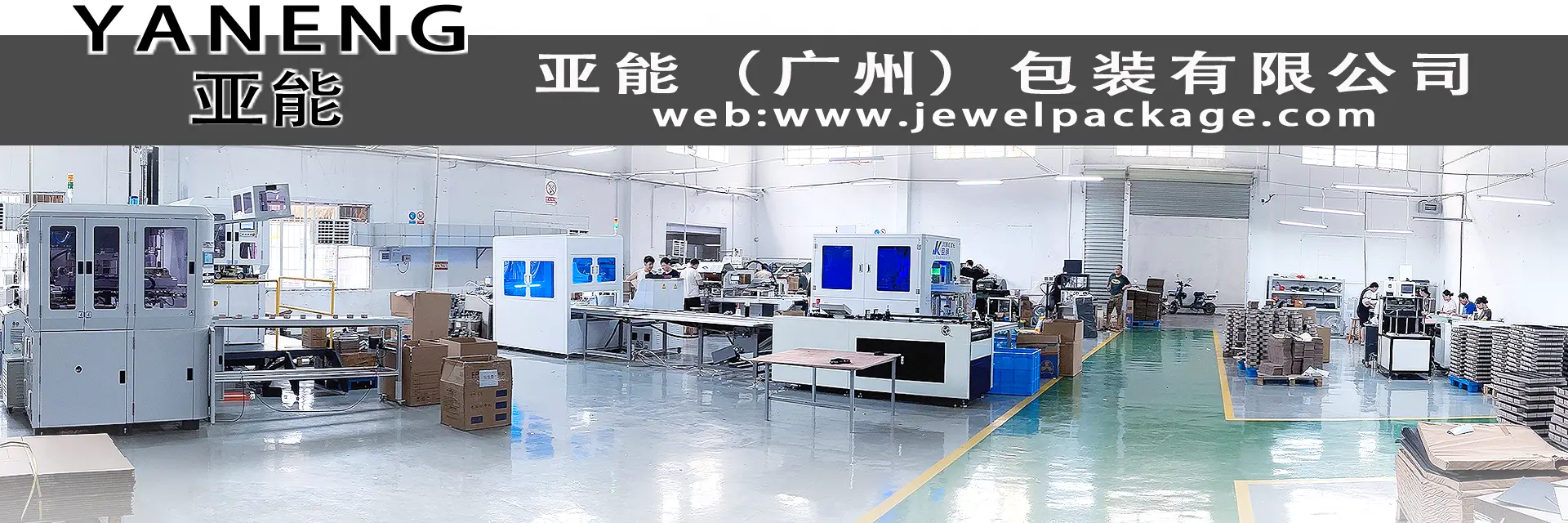
- Provide clean, safe, and efficient storage space
- Ensure streamlined order processing for timely delivery
- Offer added services such as pre-assembly, quality inspection, and short-term storage
- Reduce waste through optimized storage and strict material rotation
With years of experience serving international brands, Yaneng Packaging delivers high-quality customized packaging together with strong supply chain support.
Conclusion
Effective warehousing is essential for customized packaging manufacturers. From managing inventory to streamlined order processing, from optimizing storage to reducing the risk of supply chain disruptions, a well-designed warehouse helps manufacturers operate efficiently, reduce waste, and deliver consistent quality.
In an industry where customer expectations are rising, warehousing is no longer optional — it is a competitive advantage.
Ready to Upgrade Your Packaging Supply Chain?
Whether you need custom jewelry boxes, luxury packaging, or complete packaging solutions, Yaneng Packaging is ready to support your brand with reliable manufacturing and professional warehousing capabilities.
👉 Contact us today to get a customized quote and packaging solution.